Share
Share


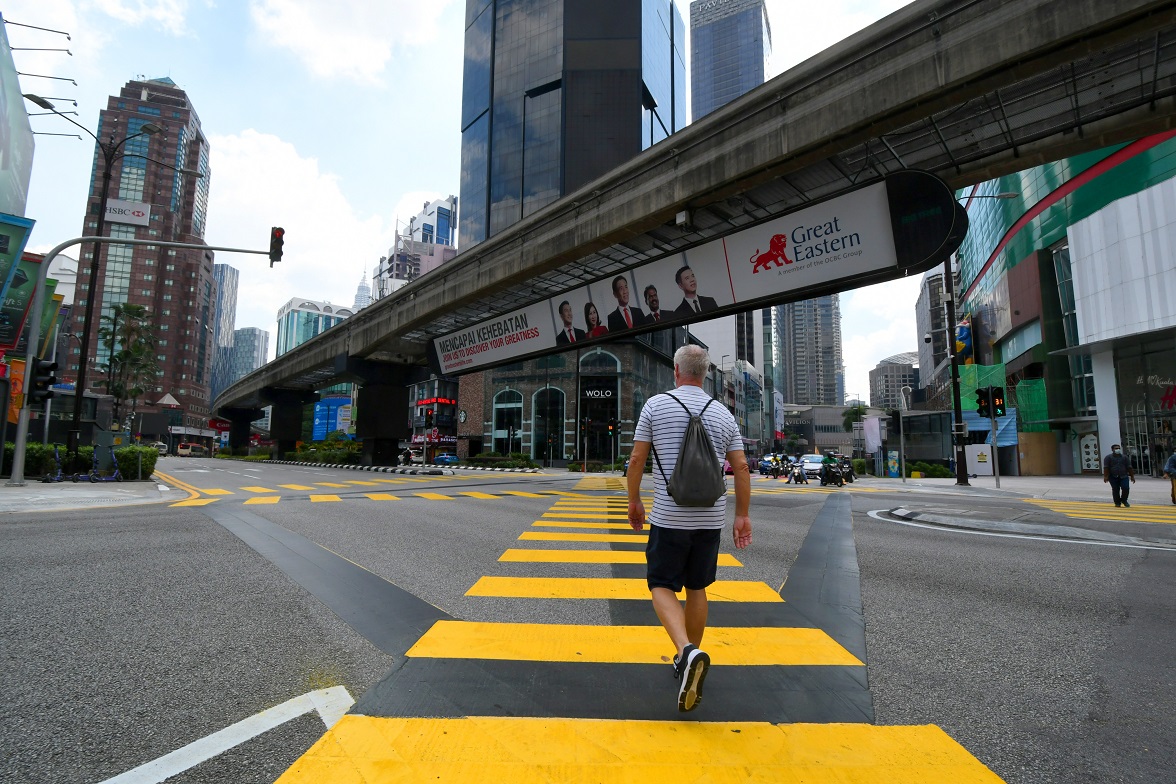
- Much of the discussion has centred on Malaysian owners, but foreign residents, especially Malaysia My 2nd Home (MM2H) visa holders who own properties, also need to understand how the URA might affect them.
The Malaysian government’s Urban Renewal Act (URA) has become one of the most contentious pieces of draft legislations in recent years. Designed to accelerate the redevelopment of ageing or under-utilised urban land, the URA has prompted intense debate about property rights, constitutional protections, and socio-economic effects.
Much of the discussion has centred on Malaysian owners, but foreign residents, especially Malaysia My 2nd Home (MM2H) visa holders who own properties, also need to understand how the URA might affect them
What is the Urban Renewal Act (URA)?
The main contention of the URA is allowing properties to be redeveloped even when not all owners consent. Under the draft URA Bill:
- Urban renewal zones can be designated by government authorities.
- The property developers shall initiate the process facilitated by the URA legislation.
- Properties as new as just 30 years can be marked out for urban renewal.
- A consent threshold around 75%–80% of owners is required to proceed with redevelopment, though the final figure is pending the debate during parliamentary discussions.
- Once the threshold is met, dissenting minority owners could be compelled to sell their share or have their properties acquired, even if they object.
Government supporters say the URA will help rejuvenate old housing stock, unlock urban land value, and modernise cities. Prime Minister Datuk Seri Anwar Ibrahim has publicly assured the people that the Act will not result in forced evictions or alter land status for original owners.
However, many urban planners, community groups, legal experts, and property associations argue that the Act, in its current form, risks eroding constitutional property protections, and undermining minority ownership rights.
One of the most contentious points is why the age for properties allowed for redevelopment is set as low as 30 years? There appears to be no logical answer, as properly-maintained properties in Malaysia and elsewhere in the world will last a considerable time.

Property ownership under MM2H
Under MM2H, foreign retirees and long-term residents gain a renewable visa by meeting financial requirements, which include investing in Malaysian property.
MM2H visa holders:
- Are permitted to purchase residential properties (primary or secondary market) that meet minimum price thresholds set by state governments (RM1 million and above in most states).
- Hold freehold or strata titles in their names, just like Malaysian owners.
- Can retain and sell these properties without time restrictions related to their visas, provided they continue to meet visa conditions (e.g., maintaining fixed deposits, meeting renewal criteria).
Given this, any change to property law such as the URA could have direct consequences for MM2H holders who own properties, subject to redevelopment or renewal designations.
Potential impacts on MM2H property owners
1. Vulnerability to compulsory acquisition
If a property falls within a designated urban renewal zone, and receives sufficient consent from other owners, the URA could allow redevelopment to proceed without unanimous agreement.
For MM2H holders, this could mean:
- Loss of property control if the URA’s thresholds are met
- Sale or acquisition without full consent, potentially even against the owner’s wishes
- Legal complexities if the property is strata-titled with multiple co- owners (e.g., condominiums)
- Loss of confidence in investing in Malaysia.
- Your home is yours only until the government or a property developer decides it isn’t.
In short: foreign owners with minority interests in strata buildings may find themselves particularly vulnerable to redevelopment decisions made by majority-owner consensus.
2. Compensation and property type concerns
One of the most debated aspects of the URA is how compensation will be structured. Some supporters have suggested one-for-one replacement or upgraded property offers for owners within a renewal zone. Critics warn compensation may not reflect equivalent market value, especially for unique landed homes versus high-density replacement units.
For MM2H holders, this raises a few considerations:
- Fair compensation: Any acquisition must legally be “adequate”, but what that means in practice (cash, replacement units, or other forms) remains uncertain.
- Type of property: Owners of landed homes might be offered a different property type (e.g., condominium unit) instead of an equivalent landed replacement, influencing lifestyle and investment value.
- MM2H takers are mostly retirees who want to enjoy peace of mind. They do not wish to be compelled to do battle between the “yes” vs “no” to participate in the URA, nor are they interested in the local politics.
- There are plenty of “late”, “sick” and “abandoned” projects in Malaysia, and the government has no solution except to seek “white knights” to rescue them. What will happen if the redevelopment is abandoned? The MM2H homeowner stands to lose everything.
3. Constitutional protections and legal recourse
Malaysia’s constitution provides property rights under Article 13, requiring that no person be deprived of property without adequate compensation. However, legal experts and civil society groups argue the URA’s consent thresholds and redevelopment mechanisms risk weakening these safeguards:
- Minority owners could be forced into sales.
- Legal disputes could arise if compensation or process fairness is contested.
- Owners might face expensive legal battles, particularly if they are overseas during redevelopment proceedings.
MM2H holders, especially non-resident owners, could face additional jurisdictional and procedural hurdles in asserting their rights or challenging renewal decisions.
4. Market and investment implications
Even without compulsory actions, the mere existence of the URA regime may shift property market dynamics:
- Properties in areas earmarked for potential urban renewal might see price volatility, increasing because of speculation, or decreasing because of perceived risk.
- Foreign investors might reassess the attractiveness of older strata properties, and sub-sale purchases, especially those built more than 30 years ago, traditionally held for long-term value.
- This could impact MM2H holders’ investment decisions, confidence and resale strategies.
Conclusion: Navigating uncertain terrain
The URA represents a paradigm shift in Malaysian property law, one that prioritises redevelopment and urban densification, but also raises difficult questions about individual property rights.
For MM2H visa holders, though their property ownership is not automatically stripped, it may be subjected to speculative URA.
MM2H participants must not be subjected to forced redevelopment. Their homes are their lives; not speculative assets.
However, if your investment lies within a designated renewal area, you could be subject to redevelopment pressures, majority-consent mechanisms, and legal obligations you may not fully control. Politicking will surely rear its ugly head.
The MM2H community is facing one of the most serious threats in its 20-year history. The proposed URA legislation, especially the widely discussed 30-year redevelopment benchmark, has triggered deep anxiety among thousands of foreign retirees who have made Malaysia their home. This is not a minor administrative issue. It is a direct threat to the security of retirement homes, long-term residency stability, and Malaysia’s reputation as a trustworthy place for foreign retirees. A policy vacuum is now harming Malaysia’s international credibility.
And today, the MM2H Association must take a strong and public stand. The Ministry of Tourism, Arts & Culture, and the expats’ clubs must be alerted of the ramification and repercussions of the urban renewal laws. The very future of the MM2H programme hangs in the balance. Every day without clarification allows fear to spread, forums to speculate and confidence to deteriorate.
John Butler is a British national, who has been an MM2H visa holder and property owner since 2005, and a frequent visitor to Malaysia in the last 50 years.
The article has been edited for clarity. The views expressed are the writer’s and do not necessarily reflect EdgeProp’s.
Unlock Malaysia’s shifting industrial map. Track where new housing is emerging as talents converge around I4.0 industrial parks across Peninsular Malaysia. Download the Industrial Special Report now.