Share
Share


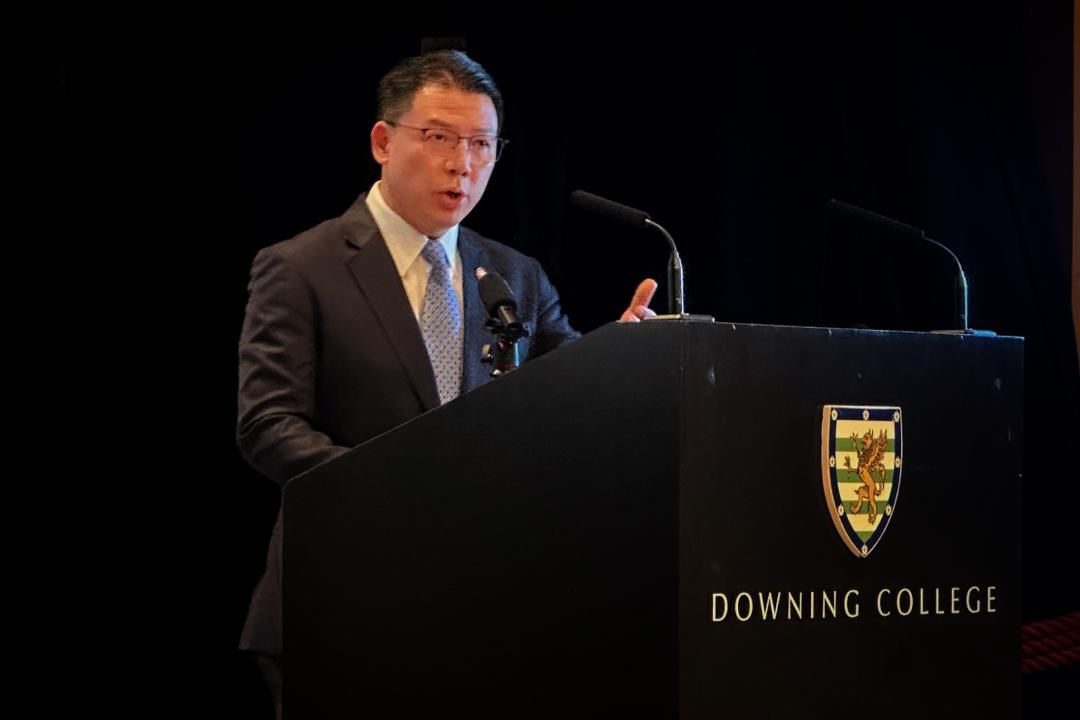
PETALING JAYA (March 30): Malaysia’s Ministry of Housing and Local Government (KPKT) is proposing the establishment of a Malaysia–Cambridge Urban Platform, signalling a push to formalise international collaboration in urban planning and housing policy as the government aligns development priorities with the MADANI economic framework and Sustainable Development Goals (SDGs).
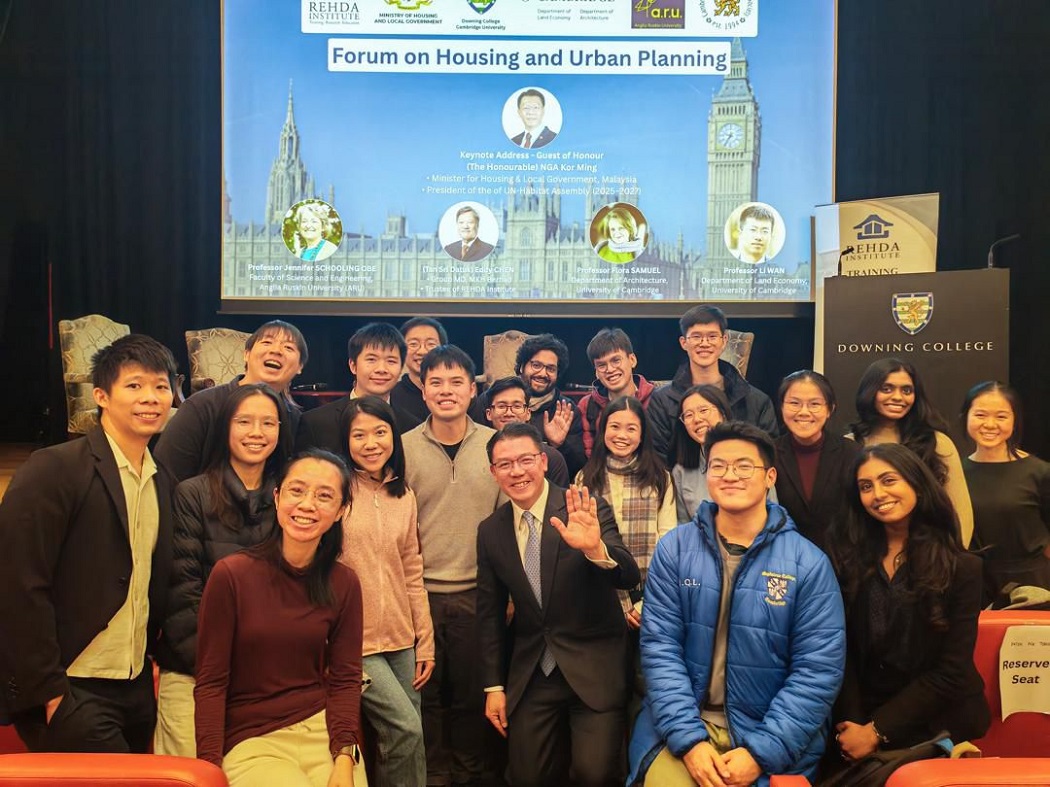
The initiative, announced by Minister of Housing and Local Government Nga Kor Ming (pictured) at a forum held recently at University of Cambridge, reflects a policy-level effort to strengthen institutional capacity and urban governance, rather than a project-specific development pipeline.
Policy initiative and framework alignment
The proposed platform is intended to facilitate collaboration between Malaysia and global academic institutions on sustainable urban development, housing policy and planning systems.
According to the ministry, the initiative is positioned within broader national targets under the MADANI framework, including housing affordability, climate resilience and governance reforms.
Nga cited Malaysia’s macroeconomic backdrop as supporting this policy push, pointing to 6.3% GDP growth in 4Q2025 and approved investments of RM426.7 billion, alongside a trade surplus of RM151.8 billion and total trade exceeding RM3 trillion, based on government data.
Housing and urban policy priorities
The ministry outlined several policy priorities shaping Malaysia’s housing and urban agenda:
*Affordable housing pricing benchmarked at RM300,000, with alignment to district median income levels
*Expansion of climate-resilient planning, including transit-oriented development (TOD) and flood mitigation measures, with 145 flood hotspots reportedly addressed
*Strengthening land-use coordination through a national urban observatory framework
*Revival of stalled residential developments, with 1,350 projects restored since 2023, unlocking approximately RM133.78 billion in GDV and benefiting over 167,000 homebuyers
These measures are supported by digitalisation initiatives and regulatory reforms, including housing management and strata governance systems.
Financial and market implications
While the proposed platform does not involve direct capital deployment, it signals continued policy intervention in housing supply and affordability.
The recovery of abandoned projects — representing RM133.78 billion in GDV — suggests a focus on unlocking existing inventory rather than accelerating new launches, which may influence near-term supply dynamics.
Similarly, the emphasis on affordability caps and income-linked pricing frameworks could shape developer margins and product positioning, particularly within the sub-RM300,000 segment.
Strategic signal
The initiative points to a broader shift towards institutionalised urban planning, with greater reliance on data, international benchmarking and policy coordination.
Engagement with global academic institutions such as Cambridge also reflects an attempt to strengthen policy credibility and technical expertise, particularly in areas such as land economics, sustainability and urban resilience.
This comes amid increasing pressure on urban systems from population growth, climate risks and affordability constraints.
Housing affordability recalibration
The announcement underscores a policy-driven approach to addressing structural imbalances in Malaysia’s housing market, particularly the mismatch between pricing, location and income levels.
By focusing on existing stock recovery and affordability thresholds, the government appears to be prioritising absorption and accessibility over aggressive supply expansion.
For developers and investors, this suggests a more regulated operating environment, where pricing discipline and alignment with policy frameworks may become increasingly important.
..........
Get EdgeProp's inaugural monthly print edition! Free delivery is available for selected regions. Subscribe now.