Share
Share



SHAH ALAM (March 6): In Malaysian culture, the idea of “home” has always been deeply symbolic. It is where family gatherings unfold over long meals, where celebrations take place in the living room, and where life’s milestones are marked.
But among a growing segment of younger homeowners today, the meaning of home is evolving.
Across urban centres such as Kuala Lumpur, Johor Bahru and Penang, many homeowners in their late 20s to early 40s are beginning to see their homes as something more than a financial asset or necessary purchase. Instead, the home is becoming an emotional anchor, a place that reflects identity, lifestyle and family aspirations.
Some observers have begun referring to this shift as “Generasi Baru”, a new generation of homeowners who balance ambition with intentional living.
Several forces are shaping this change. Hybrid work arrangements mean homes increasingly double as workspaces. Social media has turned living spaces into expressions of personal taste and creativity. And as more Malaysians travel and gain global exposure, expectations around design, convenience and lifestyle have expanded.
Many young families remain deeply anchored in traditional values, particularly the importance of family, hospitality and community. The result is a generation of homeowners who want more from their homes: flexibility, connection and a sense of belonging.
Where cultures and values meet under one roof
For Maryam and Ryzal, the husband-and-wife duo behind the lifestyle channel DurianKimchi, home is where two cultures blend into a shared family story.
Maryam, who moved to Kuala Lumpur from South Korea in 2020, says the family’s home represents far more than a physical space. She describes their home as the place where two cultures find common ground.
“For me, home is not just a physical place. It’s emotional safety,” she says.
“We come from different cultures. I’m Korean and my husband is Malay, but under one roof we share the same values and direction. Our children grow up hearing different languages and eating different food, but what unites everything is faith and intention.”
The couple, both 34 and raising two young children, say their home acts as a stabilising centre amid the busyness of work and family life.
“Home is where our children feel secure, and where we realign as a couple when life gets busy. It’s our reset place.”
Creating their own space, Maryam adds, has also shaped how they approach life as a family.
“When something belongs to you, you start thinking long-term. It made us more intentional about finances, routines and the environment our children grow up in.” A home that grows with the family
For Siti, 41, a mother of three in Setia Alam who shares interior styling ideas on Instagram under @anggun.micasa, home ownership has also become a deeply personal journey.
She began documenting her decorating process in 2019 after moving into her new house, initially to capture memories.
“I was constantly looking for inspiration from other Malaysian homeowners online,” she says. “Their renovation journeys felt inspiring but also very relatable.” What started as a casual hobby soon connected her to a wider community of homeowners who share ideas on décor, renovations and everyday living.
For Siti, being “home-proud” is rooted in hospitality and family togetherness, with values closely associated with Malay culture.
“Because our home is quite spacious, my family loves to gather here,” she says.
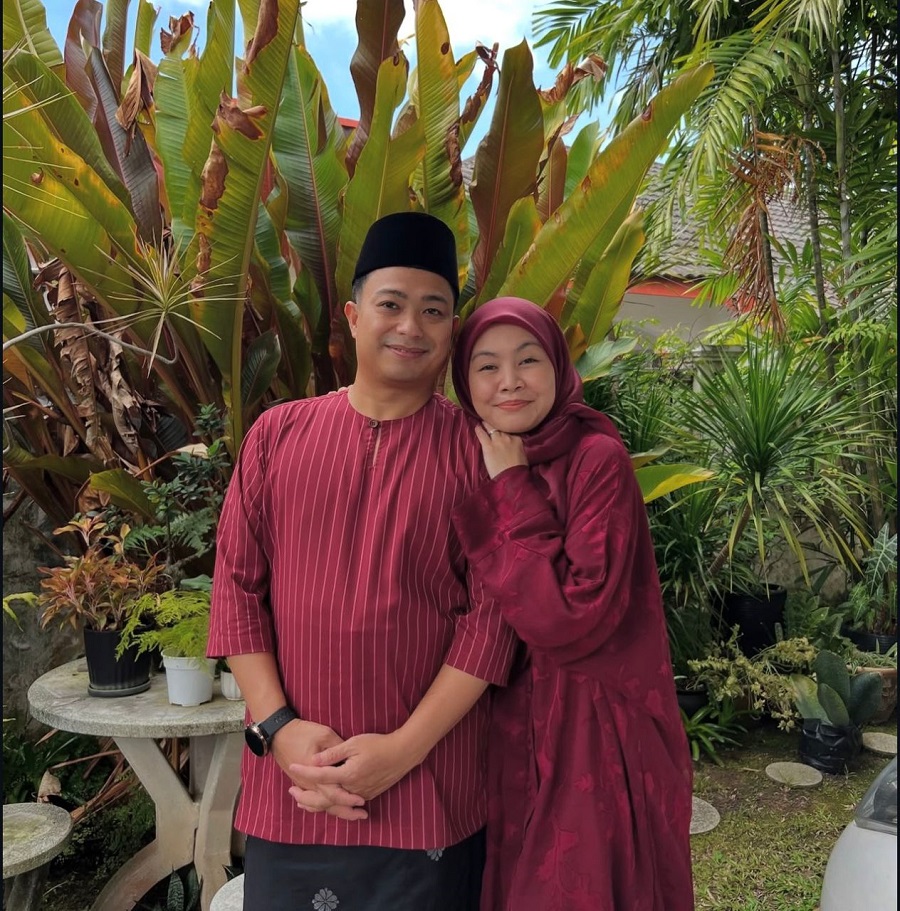
“That’s why I designed it to feel warm and welcoming. We love the idea of having open spaces for the kids, a cosy dining area where we can share meals and play games, and a living room that’s always guest-ready.”
Rather than rushing to complete the space, she prefers what she calls “slow decorating”, curating pieces over time.
“I would say I have high-end taste but with a realistic budget as a housewife,” she says with a smile. “Thrifting and slow decorating are definitely the way to go.” Each improvement, she adds, reflects a chapter in the family’s journey.
“Every furniture upgrade or mini makeover symbolises growth. As we evolve, our homes should evolve too.”
Balancing lifestyle and family priorities
For another young couple in Mont’Kiara, home has become increasingly central since the birth of their daughter.
The homeowner, Christie Ong, 38, who runs a creative consulting business from home with her husband, is already considering moving into a landed property in the future.
“We’ve always lived in apartments but after having our daughter we started thinking about more space,” she says.
“My husband and I are both city lovers, but we want a neighbourhood where children can run and play safely. A gated community appeals to us now because of our daughter’s needs.”
While lifestyle factors such as schools and amenities are important, she says the emotional role of home remains at the heart of their decisions.
“When I landed a big project recently, I celebrated by inviting my parents over and cooking a meal,” she says.
“Those moments are enjoyable and not something money can buy.”
She adds that as their family grows, the way they think about space is also changing.
“Before having our daughter, we didn’t think much about the layout of a home,” she says. “Now we think about things like whether there is space for her to play safely, whether we can host our families comfortably, or even whether the neighbourhood has parks and schools nearby.”
As someone who runs a small creative consulting business from home, Christie also sees home as more than just a place to rest.
“It has become a place where work and life intersect,” she says. “When your home supports both your professional and family life, it changes the way you think about what a home should provide.”
A generational shift in how homes are valued
Property developers say these attitudes reflect broader changes in buyer behaviour.
According to S P Setia’s Chief Operating Officer Datuk Yuslina Mohd Yunus, younger homeowners today increasingly view their homes as multifunctional spaces that support both lifestyle and productivity.
“Unlike previous generations who primarily saw property as a long-term investment, today’s buyers see their homes as ecosystems that support work, wellness and social connection,” says Yuslina.
Flexible layouts, smart-home infrastructure and neighbourhood amenities are becoming key priorities, as many homeowners now work remotely or run homebased businesses.
“They also place strong emphasis on community alignment, convenience and purposeful design,” she adds.
Despite being globally exposed and well-travelled, many younger Malaysians remain strongly anchored in family traditions, often choosing to live close to their parents while maintaining their own independence.
These buyers are also more discerning when it comes to how and where they choose to grow their families, seeking out family-friendly and sustainability features that are more prevalent overseas like green lungs set amongst thoughtfully-planned developments.
Developers are increasingly adapting to these expectations, delivering open-plan living spaces and smart-ready homes against the backdrop of townships rich with landscaped parks, tree-lined streets and an inviting sense of space.
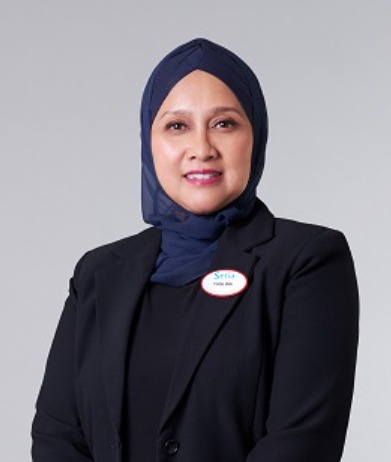
“Millennials and Gen Z are now the fastest-growing group of first-time homebuyers or those who upgrade to homes that more closely align with their growing needs. Ensuring our townships—like our recently launched Aurora in Setia Bayuemas South—evolve with their expectations allows us to stay relevant today while building long-term value for the future,” Yuslina says.
Success goes beyond financial milestones
For Maryam, the shift in mindset is also reflected in how younger families define success. “Our parents’ generation focused on survival and financial stability,” she says.
“We still value that, but today success feels more holistic. It’s also about mental health, presence with family and having purpose.”
Ultimately, she believes many families of her generation are driven by something simple yet profound. “We’re not just building careers or achievements,” she says.
“We’re building security, identity and examples for our children.” And increasingly, those ambitions begin at home.
That perspective is shaping how many younger homeowners approach the spaces they live in—not simply as assets, but as places that support their daily lives and long-term aspirations. This includes creating homes that accommodate remote work and creative pursuits, as well as spaces to celebrate milestones together.
In that sense, the home remains what it has always been in Malaysian culture: the heart of everything.
But for this new generation of homeowners, it is also something more. It is a place where ambition, lifestyle and family legacy come together under one roof.
..........
Unlock Malaysia’s shifting industrial map. Track where new housing is emerging as talents converge around I4.0 industrial parks across Peninsular Malaysia. Download the Industrial Special Report now.
.jpeg?Dc.IvzT0vI55UUTaKxAW9caca44P99nz)