Share
Share


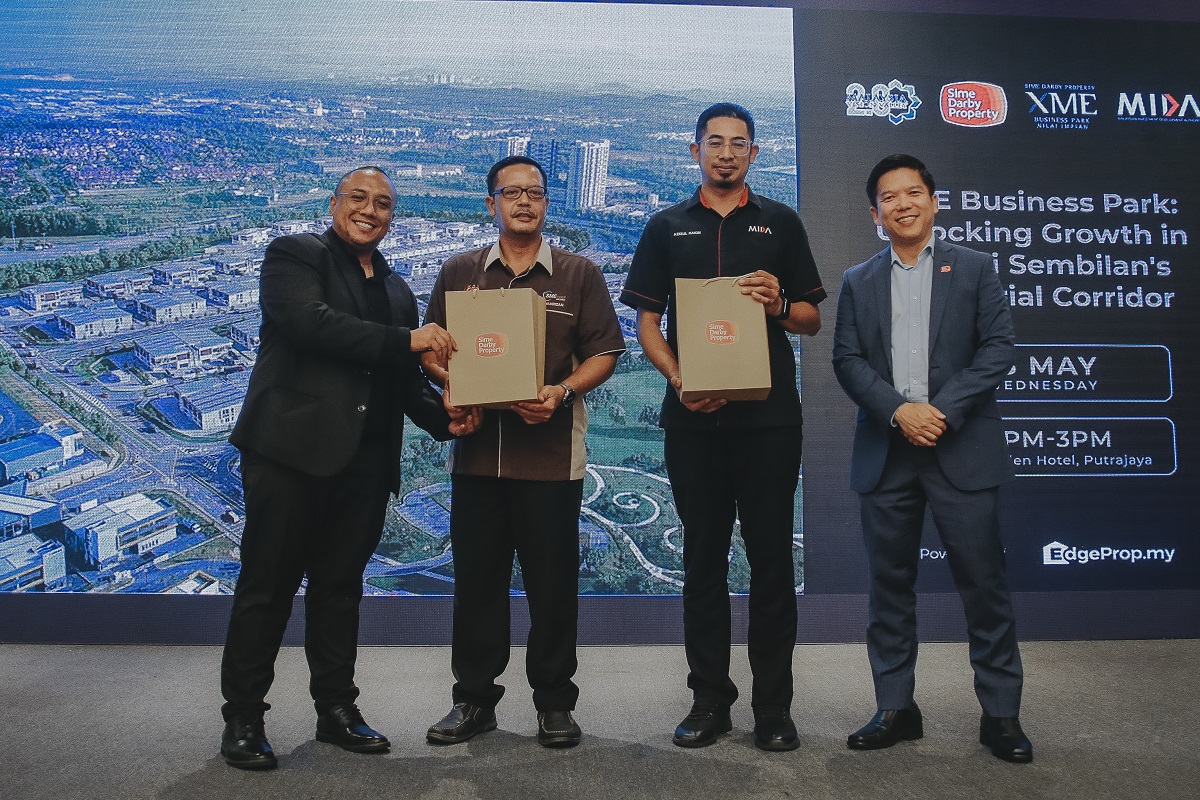
PUTRAJAYA (May 14): Sime Darby Property Bhd is strengthening its Negeri Sembilan industrial footprint with the rollout of XME Business Park 2 in Nilai Impian, supported by continued demand for factory and logistics space.
Nilai Impian Township person-in-charge Adzim Azizi said demand for the XME Business Park series has been fully absorbed since its launch.
"We started XME Business Park in 2019 and have launched over 186 units, and we have already sold everything," he said at the "XME Business Park: Unlocking Growth in Negeri Sembilan's Corridor" forum held at Palm Garden Hotel, Putrajaya yesterday. The event was organised by EdgeProp with Sime Darby Property.
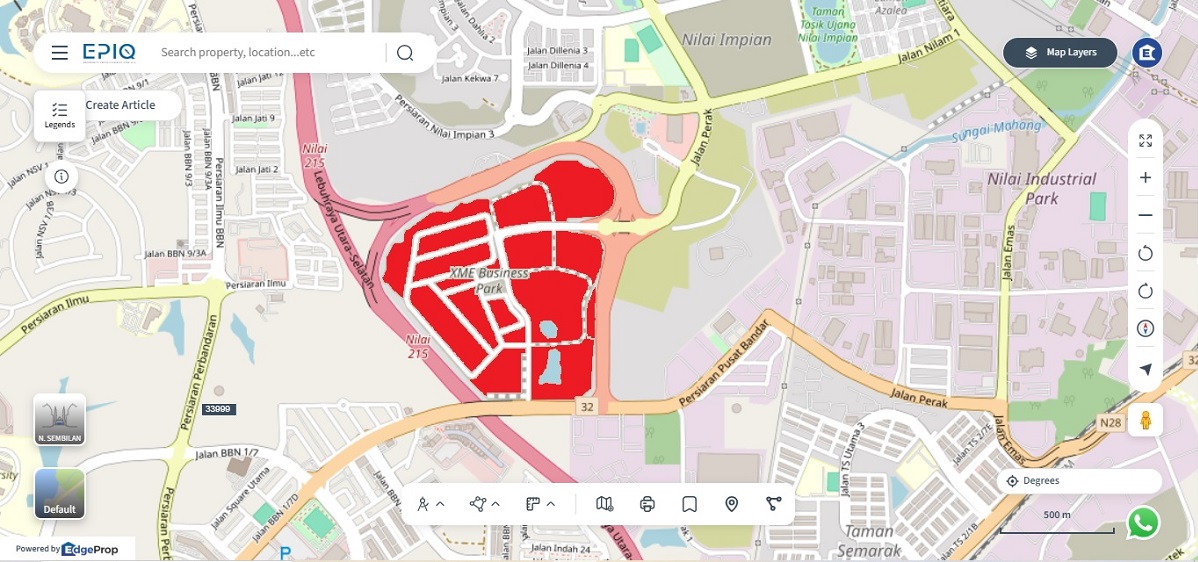
Building on that momentum, he said the upcoming XME Business Park 2 in Nilai Impian, Nilai/Negeri Sembilan spans 15 acres and comprises 59 industrial units.
The launched development, which will be completed in 2029, includes 20 semi-detached factories and 39 link factory units, with built-ups ranging from approximately 3,400 to 7,500 sq ft.
It is designed with logistics-oriented features, including back-lane access, 40ft container truck loading capability and floor loading capacity for heavy machineries, alongside ESG elements such as solar installation readiness, EV charging infrastructure and rainwater harvesting systems.
Adzim said the project is part of a wider industrial ecosystem spanning multiple logistics corridors across Malaysia.
“We have this big umbrella of industrial developments across our network,” he said.
He added that Nilai Impian’s positioning is strengthened by connectivity advantages, including the North-South Expressway and upcoming infrastructure upgrades, making it a key gateway within the southern corridor.
“Nilai Impian is the gateway to East Nilai,” he said.
"We have the largest industrial real estate pipeline in Malaysia, backed by more than 2,600ha of future landbank," he said.
Demand shifts towards customised industrial facilities
Sime Darby Property head of business unit 4 and head of department’s office general manager Jack Pan said Negeri Sembilan’s growth is being driven by industrial expansion and structural transformation.
Pan said the group is among Malaysia's top-listed developers, with a market capitalisation of about RM10 billion, supported by a large landbank and township footprint across 27 townships, including six in Negeri Sembilan, covering more than 11,000 acres.
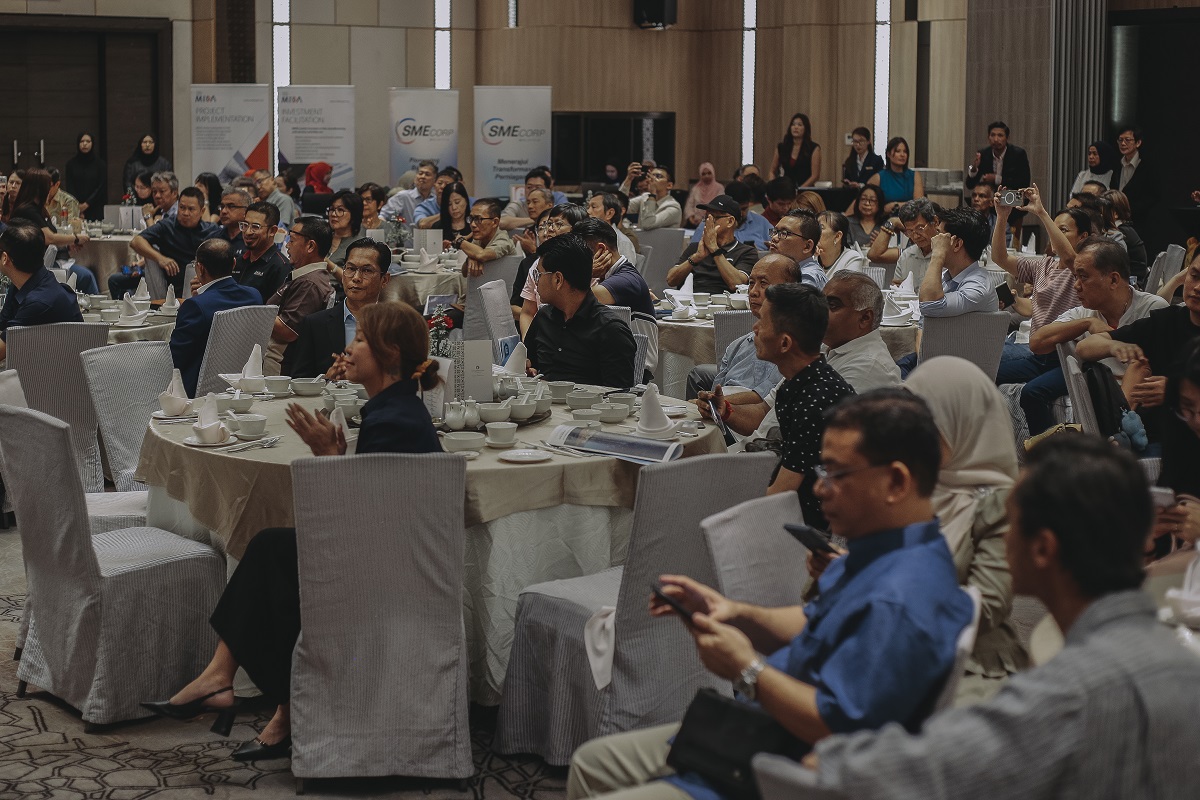
He said industrial demand in the corridor is increasingly shifting towards customised built-to-suit facilities, driven by the diversity of incoming industries.
“We are seeing increasing demand for customised industrial facilities due to the diversity of industries entering the corridor,” he said.
Seremban becoming self-sustaining region, backed by industrial growth
EdgeProp head of editorial and commercial strategy Jacqueline Lim said Seremban's evolution reflects a long-term structural transition from its origins as a tin mining settlement into a modern industrial economy.
Lim said the state capital has developed into a self-sustaining region with thriving townships supported by a mix of commercial centres and industrial zones, creating employment across electrical & electronics (E&E), semiconductor and fast-moving consumer goods (FMCG) sectors, with major multinational occupiers including Nestlé and Samsung SDI.
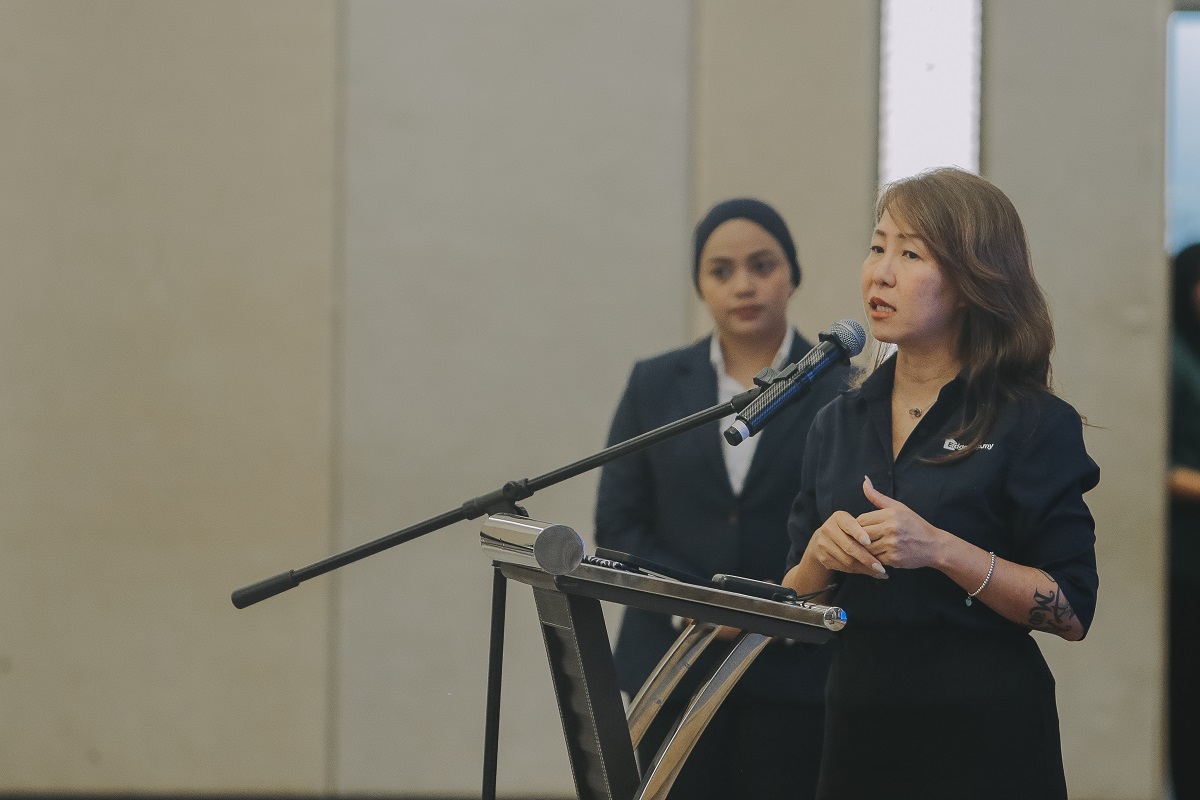
“Negeri Sembilan’s growth trajectory aligns with the mid-term review of the 12th Malaysia Plan, which projects a 26% GDP expansion and around 40% growth in GDP per capita towards 2025.
“Manufacturing and services account for nearly 90% of the state’s economic structure,” Lim noted.
“Negeri Sembilan has recorded an industrial transaction growth of 37.9% compound annual growth rate (CAGR) — more than three times the rate of the Klang Valley.
“Market data shows Negeri Sembilan recorded over RM19.1 billion in approved investments in 2025, up 164% from 2024, with demand driven largely by vacant land acquisitions and custom-built developments, while terrace and semi-detached factories remain active segments,” she said.
Lim added that project approval timelines have improved significantly from around 24 months to 14 months, improving ease of doing business.
She said transaction momentum from 2021 to 2025 continues to accelerate, driven by investor demand for industrial land and built facilities.
Lim said market data shows over RM25 million in industrial transactions in 2025, where terrace and semi-detached factories remain active segments.
“Custom-built spaces dominate, with businesses buying up vacant land,” she highlighted.
Policy and SME ecosystem support
Negeri Sembilan Malaysian Investment Development Authority director Azizul Hakim Abu Haniffa said companies operating factories in Malaysia are required to obtain a manufacturing licence, with approvals facilitated through inter-agency coordination to streamline processes.
He added that eligibility thresholds determine whether firms require a full licence or qualify for exemptions under ICA 10, while approved companies gain access to government procurement opportunities and incentive platforms under the Ministry of Finance.
He also said Malaysia's incentive framework includes special tax rates and Investment Tax Allowance, alongside a tiered system that rewards higher economic contribution — including local employment, ESG compliance and value-chain spillovers — particularly for priority sectors such as E&E, chemicals, pharmaceuticals, aerospace and EV-related manufacturing.
SME Corp Malaysia (Negeri Sembilan) deputy director Syahrizan Fikri Mohd Hashim said SMEs are categorised into micro, small and medium segments based on turnover and workforce size across manufacturing and services sectors.
He added that SME Corp provides financing schemes, capacity building and development initiatives to support business growth, with funding covering working capital, automation, digitalisation, ESG-related upgrades, machinery investment and co-financing support.
..........
EdgeProp brings you another month of data-driven insights, exclusive interviews, and market commentaries. Subscribe now for your free copy!