Share
Share


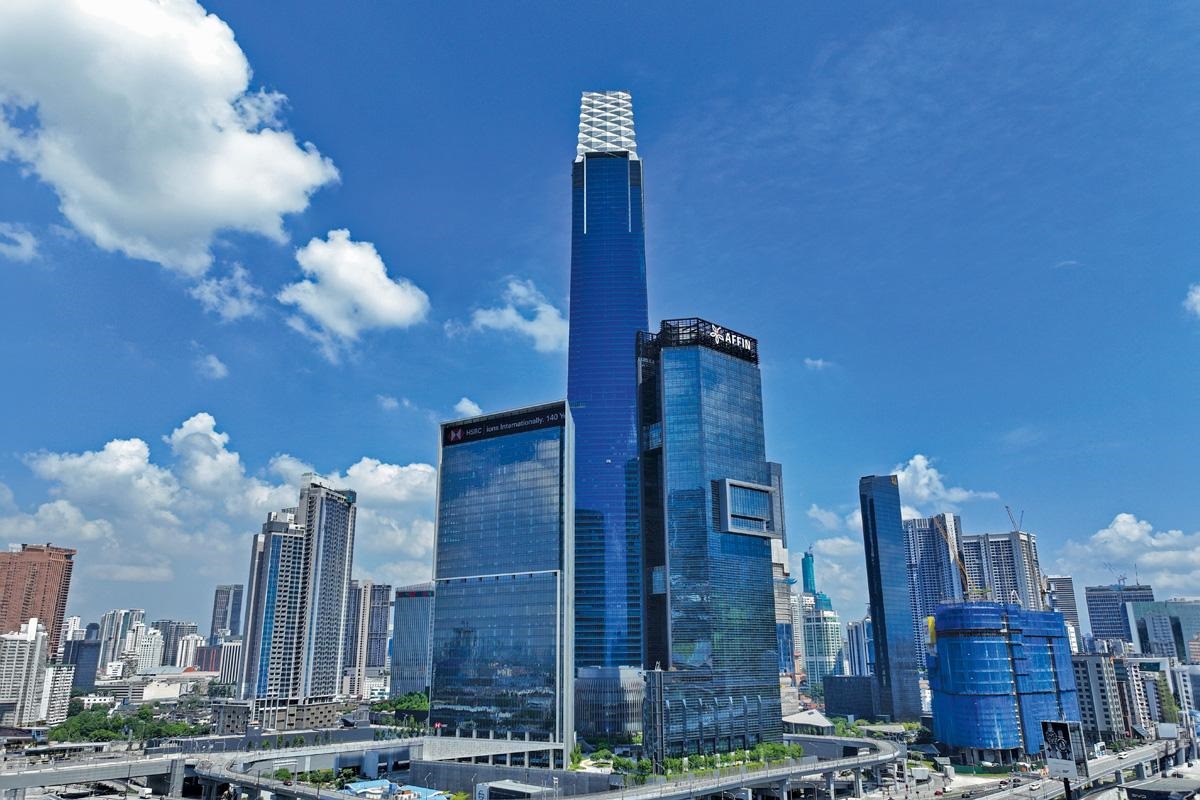
PETALING JAYA (July 29): Kuala Lumpur's commercial property market remained resilient in the second quarter of 2026, with office and retail vacancies continuing to decline despite a surge in new industrial supply, as occupiers increasingly favoured higher-quality assets, according to JLL Malaysia.
The property consultancy, in a press statement on Wednesday (July 29), said the office market strengthened during the quarter, supported by leasing demand from the automotive and financial technology sectors, while retail benefited from improving consumer sentiment, stronger tourism activity and continued expansion by international brands.
The industrial sector, however, came under pressure from a wave of new supply, although demand for modern logistics facilities remained firm.
Office vacancy improves
The office market recorded net absorption of 250,000 sq ft during the quarter, bringing year-to-date absorption to 554,900 sq ft.
With no new office completions in 2Q, the overall vacancy rate fell 0.4 percentage points quarter-on-quarter to 14.8%, while average rents increased to RM6.88 psf per month. Gross rents stood at RM7.47 psf per month, up 1.6% year on year.
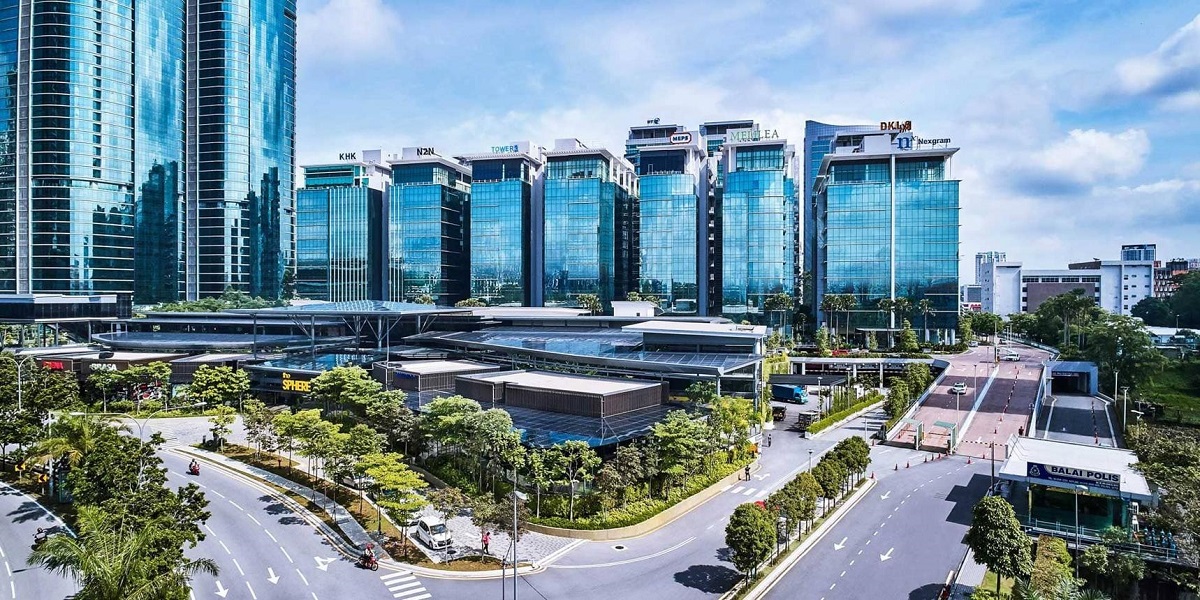
JLL said demand remained concentrated in green-certified buildings and established office locations such as Tun Razak Exchange (TRX) and Bangsar South, reflecting a continuing preference for higher-quality office space.
The consultancy also expects Malaysia's new Digital Location Recognition (MLDR) framework to reinforce the differentiation between premium and secondary office buildings by establishing certification standards for technology-ready and ESG-compliant assets.
Industrial absorbs major supply influx
Industrial leasing activity rebounded after the Chinese New Year and Hari Raya festive period, supported by demand from the electrical and electronics, medical, automotive and fast-moving consumer goods sectors.
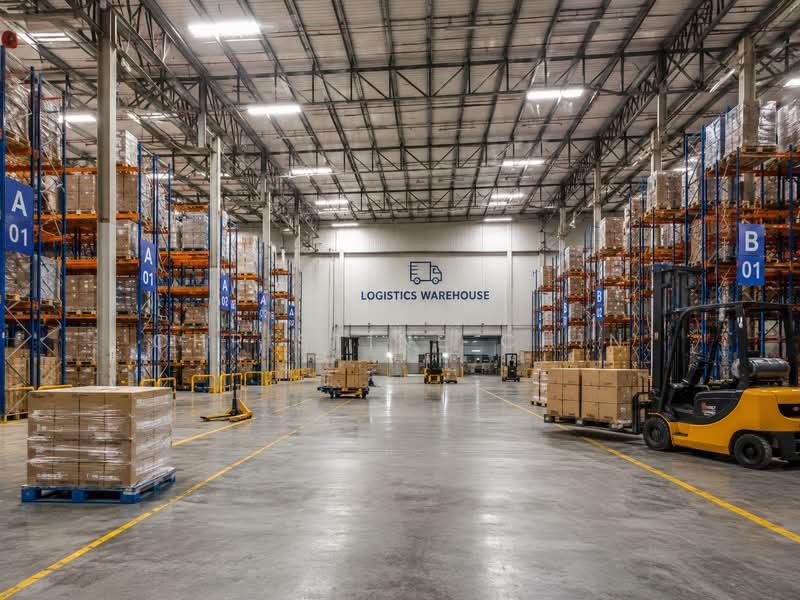
However, the completion of the Shah Alam International Logistics Hub added 2.8 million sq ft of Grade A warehouse space, increasing total warehouse stock to 39.58 million sq ft.
As a result, the industrial vacancy rate rose to 9.9%.
Despite the increase in available space, newly completed high-specification facilities continued to attract occupiers. JLL cited Daiwa House Phase 3, which achieved 70% occupancy within three months of completion, as an example of continued demand for modern logistics assets.
Year-to-date industrial net absorption reached 972,800 sq ft, although this lagged behind the volume of new supply entering the market.
JLL said the sector was becoming increasingly divided between newer Grade A facilities capable of commanding premium rents and older warehouses that were offering longer rent-free periods to retain tenants.
Average gross industrial rents reached RM2.19 psf per month, representing 0.6% year-on-year growth.
Retail occupancy continues to strengthen
Retail leasing momentum remained healthy as consumer confidence improved and tourism continued to recover.
Malaysia ranked second in the Ipsos Consumer Confidence Index, recording a reading of 56.7 in May 2026, while international tourist arrivals reached 10.6 million visitors in the first quarter, exceeding pre-pandemic levels. Chinese visitors recorded the strongest growth during the period.
Several international brands also entered the Malaysian market during the quarter, including Marithé + François Girbaud at Suria KLCC, ACTIVATE's first Asian outlet at Pavilion Bukit Jalil and ANKER's first Southeast Asian store at IOI City Mall.
With no new retail completions during the quarter, vacancy rates continued to improve.
City centre retail vacancy declined to 9.2%, while suburban vacancy eased to 18.2%.
City centre gross rents increased to RM34.50 psf per month, up 0.8% year on year.
Investment activity also continued, with KIP REIT completing its RM435 million acquisition of Setapak Central Mall, a 514,777 sq ft retail property that reported 99.89% occupancy as at February 2026.
Premium residential segment remains resilient
JLL said demand for prime residential properties continued to be supported by affluent domestic buyers, expatriates and regional investors.
Buyer preferences increasingly favoured projects offering strong accessibility, lifestyle amenities and sustainability credentials, particularly in KLCC, Bukit Bintang and other established residential locations.
Developers maintained a disciplined approach to new launches amid elevated construction costs and financing uncertainty, focusing on lower-density projects in land-constrained locations.
Year-to-date residential completions totalled 2,866 units.
Average gross rents stood at RM3.42 psf per month, representing 2.7% year-on-year growth, while capital values were broadly stable at RM956 psf, down 0.1% from a year earlier.
Life sciences emerging as growth opportunity
Beyond current market performance, JLL highlighted life sciences as an emerging real estate opportunity across Asia-Pacific.
The consultancy said growth in biotechnology, pharmaceuticals, medical technology and contract research organisations is expected to increase demand for specialised facilities, including laboratories, sterile manufacturing plants, climate-controlled logistics space and high-specification office buildings.
While Malaysia's life sciences industry remains at an earlier stage of development, JLL said the country has established strengths in medical devices manufacturing, particularly in Selangor, Penang and Johor, supported by government incentives and an expanding multinational presence.
Outlook
Looking ahead, JLL expects 2.64 million sq ft of new office supply to enter the Kuala Lumpur market by the end of 2026, with office vacancy forecast to reach 16.4%.
The industrial market is expected to see continued development of automated logistics facilities, including IJM's Storio Logistics project in Elmina, while construction costs could face pressure following reductions in government fuel subsidies.
In retail, additional city centre supply is expected later this year, although JLL believes net absorption will remain positive. The extension of the Visit Malaysia campaign through 2027 is also expected to continue supporting demand for city centre retail space.
Across all commercial sectors, JLL expects occupier demand to remain concentrated in higher-quality assets, reinforcing the widening performance gap between premium and secondary properties.
..........
Read about emerging trends, data-backed insights, growing subsectors, and expert commentaries in EdgeProp print. Subscribe now for your free copy!