
COVID-19 stimulus package: What’s in it for the middle-income group?
Let's say you're part of a married couple working in the private sector, with a household income of between RM4,000 and RM8,000 per month.
Let's say you're part of a married couple working in the private sector, with a household income of between RM4,000 and RM8,000 per month.
The first is the introduction of a programme that will allow employers to postpone, restructure, or reschedule their mandatory Employees Provident Fund contribution for employees. The EPF will introduce this programme on April 15.

This measure will take up RM5.9 billion from the government’s RM250 billion economic stimulus package to address the impact of the COVID-19 outbreak that he announced today.

The latest measures by CapitaLand and CMMT aims to provide immediate cost and cashflow relief to the affected tenants, it said in a statement.
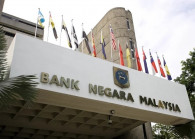
“The banking system is facing these challenges from a position of strength, with excess capital buffers above the minimum regulatory requirement of RM119.7 billion as at end January 2020,” said BNM.

The estimate includes super-regional malls, regional malls, neighbourhood malls, premium outlets, and shops that are allowed to stay open during this period, and excludes stand-alone hypermarket centres or supermarket centres in the street.
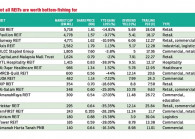
The immediate concern is the impact of the MCO on rental payments among tenants, as well as the possibility of the partial lockdown being extended beyond March.

“We decided that all our workers in [Singapore] will continue with work, and the Singapore government has agreed to prepare their accommodation for two weeks.”
The decision was made following a National Security Council meeting this morning, Ismail Sabri said in a press conference today.



The only property app you need. More than 200,000
sale/rent listings and daily property news.