Share
Share


PETALING JAYA (Jan 16): Wellness and healthcare-focused property developments require careful planning to ensure financial viability and strong returns.
This was highlighted during the Real Estate and Housing Developers' Association (Rehda) Institute’s flagship CEO Series 2026, which brought together over 400 senior decision-makers from the government, finance, industry, academia, and international business community to discuss Malaysia and Asean’s economic outlook, investment priorities, and human capital challenges.
The conference was also attended by Finance Minister II Datuk Seri Amir Hamzah Azizan, Transport Minister Anthony Loke Siew Fook, and Deputy Minister of Tourism, Arts and Culture, Chiew Choon Man.
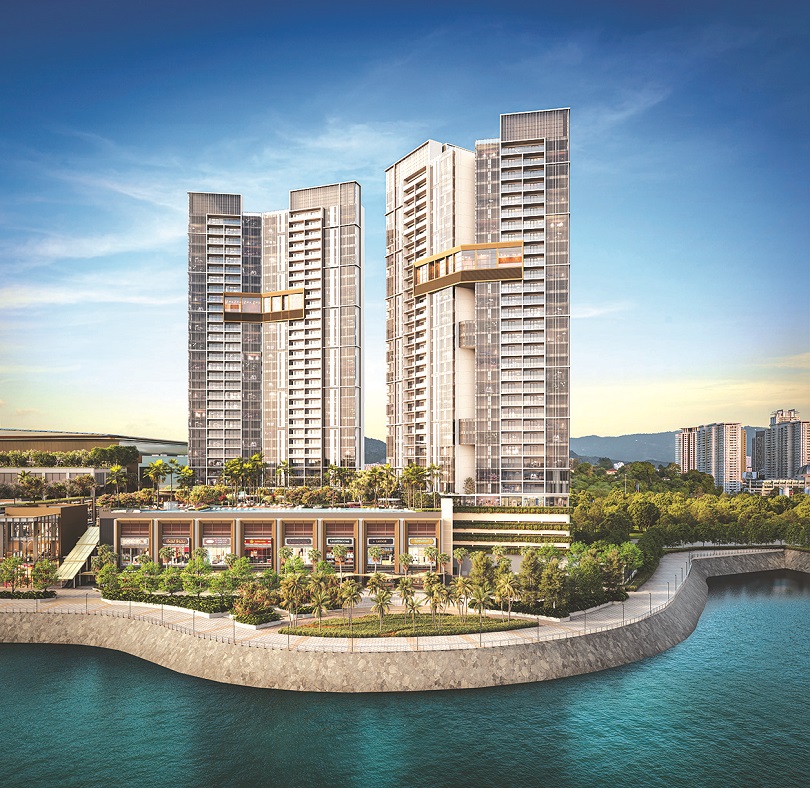
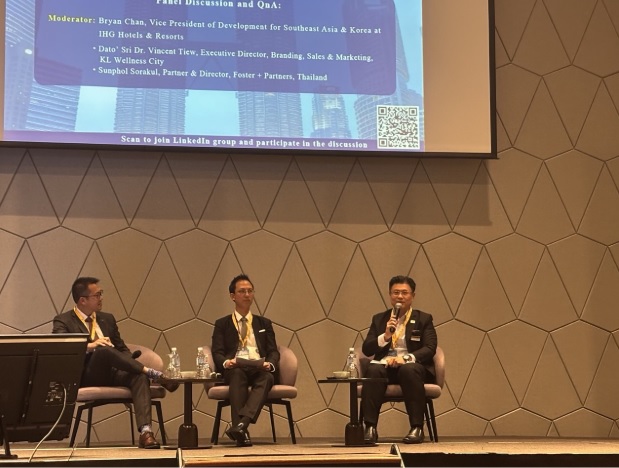
KL Wellness City branding, sales and marketing executive director Datuk Seri Vincent Tiew said many “eco wellness” projects fail because they focus too much on aesthetics and idealistic designs without considering costs and returns.
“You need to be precise about your project: balance healthcare standards, wellness features, and land costs. Otherwise, shareholders won’t see the payback.
“Wellness is great to have, but it must be practical. Green buildings, open spaces, and eco-friendly materials are good, but they don’t automatically generate income,” he said during the “Future-Proofing Real Estate: Unlocking Tourism Growth and Recurring Income Opportunities in a Changing Market Landscape” panel session at Le Méridien Petaling Jaya on Thursday.
He also stressed that people will only commit to wellness services if they know it works.
“It’s not enough to brand a development as ‘eco wellness’. There has to be substance behind it,” he added.
For investors, commercial viability is key.
“Investors must see a return on investment (ROI) when acquiring land or investing in a township or resort. Location, infrastructure, and market demand are critical. Without careful planning, even a beautiful wellness development can become a financial burden.
“Ultimately, it’s about balancing vision with practicality. You want to create a healthy, sustainable environment, but it must also make financial sense,” he said.
High capital needed, but pays off over time
Thailand architecture and design firm Foster + Partners partner and director Sunphol Sorakul said eco projects require significant upfront investments to establish infrastructure, e.g., forests around utility centres, even before anything is sold.
“[However,] over the long term, energy costs decrease through sustainable measures, and these investments eventually pay off.
“Income in wellness developments also relies heavily on trust,” he said.
People don’t just let anyone operate on them; they need to know and trust the provider. Step-down wellness services face the same challenge: trust must be built before people commit.
“Once they trust the provider, they’ll return because they know results can be delivered, both emotionally and physically.
“With the fast pace and stress of modern life, reliable wellness support is essential, making credibility and trust the foundation for long-term success,” Sunphol added.
Hospitality developers should try niche concepts
Malayan United Industries Bhd (MUI) operations senior vice president Pel Loh Pooi Ling said the recovery of costs for a hotel typically takes about seven years, though this can vary depending on location.
“Some areas are costly and may not provide significant financial returns, but they can offer prestige, such as hiring a Michelin-star chef.
“Hosting Meetings, Incentives, Conferences, and Exhibitions (MICE) events, including ballrooms and meeting rooms, can generate strong revenue and healthy margins, depending on the hotel’s location,” she said.
She also stated that room optimisation is key; designing larger spaces with smaller rooms can compromise occupancy or average daily rates.
“Developers should also consider niche opportunities, such as wellness-focused, or Gen Z-oriented hotels, which can provide long-term growth and stronger ROI,” Loh added.
Unlock Malaysia’s shifting industrial map. Track where new housing is emerging as talents converge around I4.0 industrial parks across Peninsular Malaysia. Download the Industrial Special Report now.