Share
Share


This article appeared in the April 9, 2026 issue of the monthly print edition. Subscribe now.
There was a time when Kuala Lumpur’s skyline didn’t change this fast.
Buildings weren’t just built, they stayed. Offices became institutions, towers became landmarks, and entire careers unfolded within the same walls.
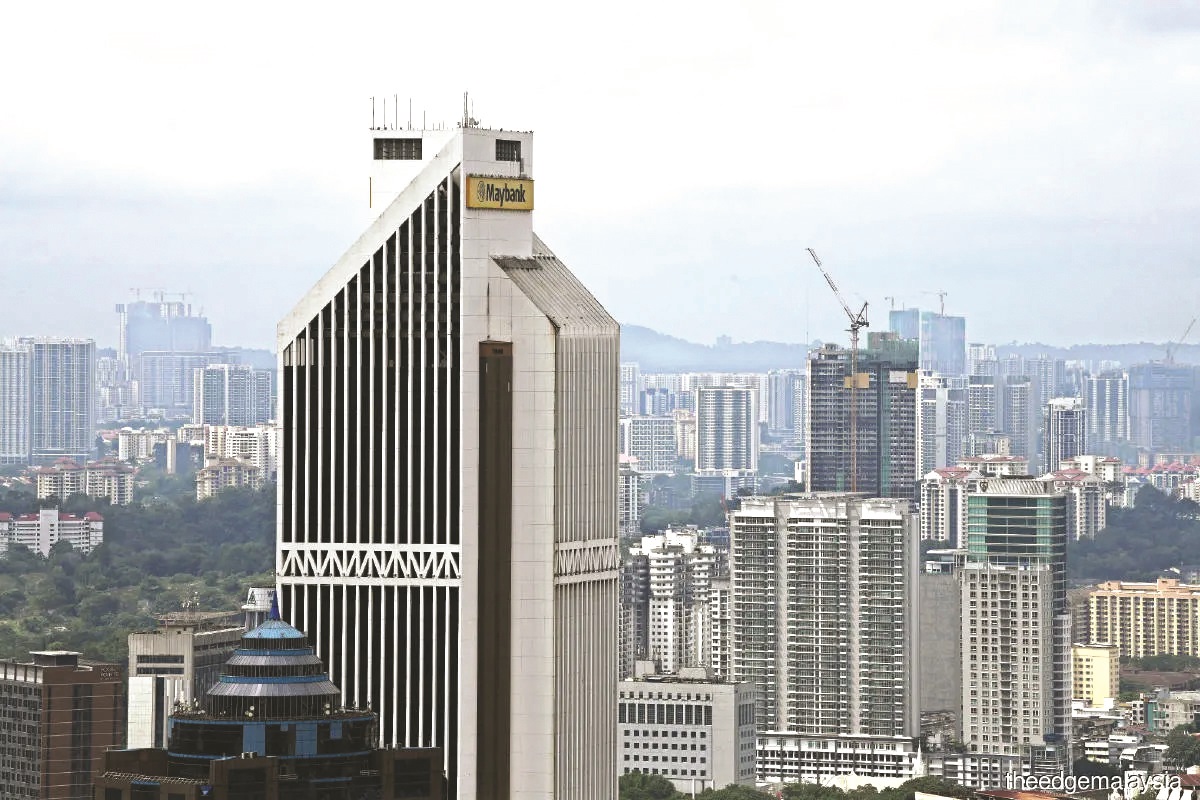
Names like Menara Maybank weren’t just addresses; they represented status, stability, and the city coming into its own.
Today, that rhythm is pulsating on a new beat.
Newer, smarter and more efficient developments have entered the market, gradually resetting expectations — from tenant requirements to building design and performance standards.
As a result, many of KL’s most recognisable office buildings are now approaching a turning point: not whether they survive, but what they could become next.
According to Henry Butcher Malaysia corporate real estate director Long Shi Chuen, that transition is already underway in some cases, as owners begin reassessing long-term strategies.
“Menara Maybank is one of the examples indicating that KL office buildings may be repositioned or redeveloped,” he tells EdgeProp.
Maybank has entered into a 21-year tenancy agreement with Permodalan Nasional Bhd (PNB) to relocate its headquarters in Pudu to Menara Merdeka 118 in the city centre, occupying 33 floors. Existing offices within Menara Maybank will relocate in stages from the second quarter of 2026, while the KL Main Branch will remain.
“That leaves a building of over a million square feet needing a new identity, and PNB is actively working on that,” Long adds.
Under a triple net basis agreement, PNB has become the master lessor of Menara Maybank since 1Q2025, where PNB will bear all expenses related to the building including maintenance, insurance and taxes.
"This lease agreement allows Maybank to realise rental income while deferring the disposal of Menara Maybank to a later date when the real estate market recovers further, allowing the bank to maximise the value of this building," Long explains.
From icons to inflection points
Across KL, buildings, both commercial and historical, reflect different chapters of the city’s growth, and in many cases, how their roles have evolved over time.
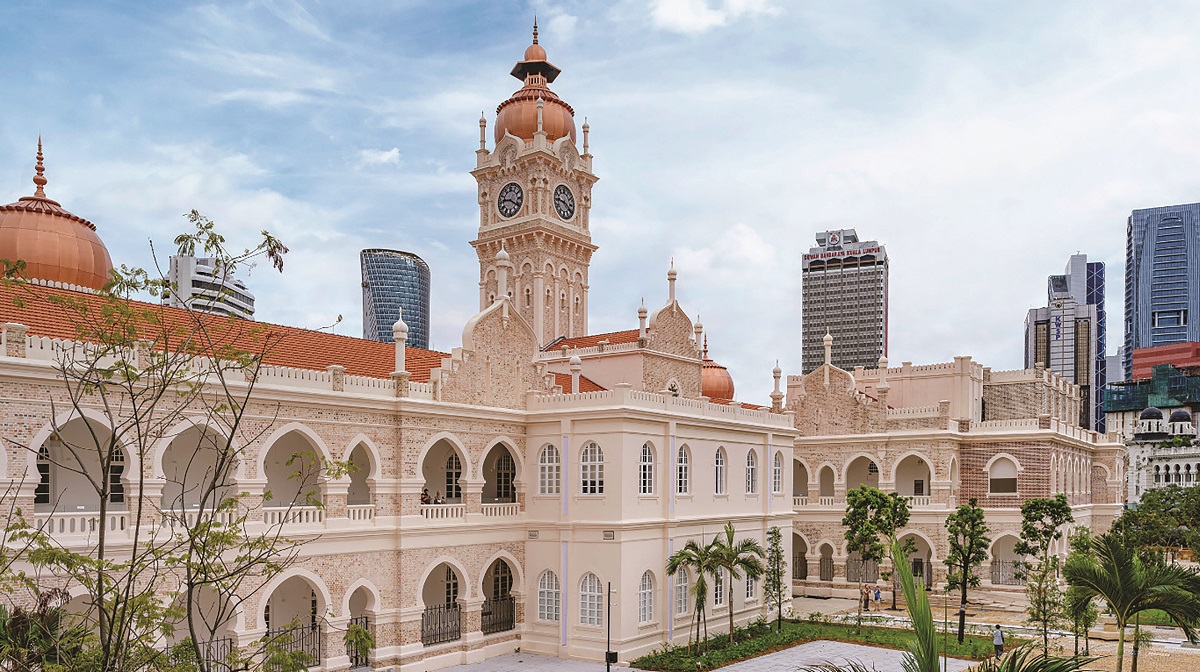
Among the most recognisable is the Bangunan Sultan Abdul Samad along Jalan Raja, completed in 1897. Once the administrative centre of British Malaya, and later, Malaysia’s courts, the icon in the heart of KL has since been restored and repositioned as a public-facing cultural and heritage space.

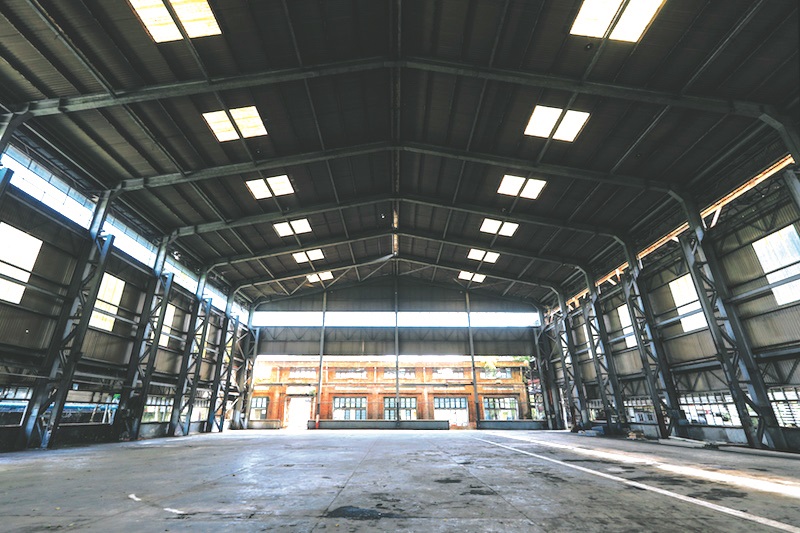
In Sentul, the former railway engineering workshop, Sentul Depot, has been repurposed into an event venue, forming part of a broader creative and cultural cluster alongside the KL Performing Arts Centre.
What these examples suggest is not just preservation, but reinterpretation, where older spaces are given new functions that align with contemporary urban activity, often shifting from institutional or industrial use towards public, cultural or experiential roles.
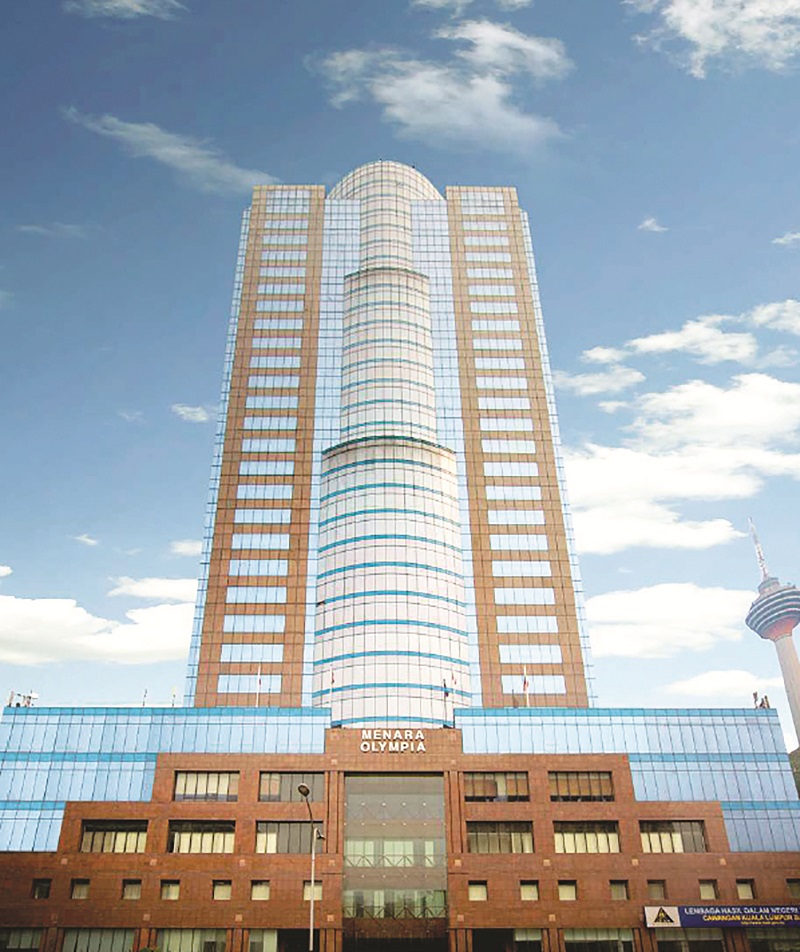
Others remain in their original commercial use, including Menara Maybank (completed in 1988), and Menara Olympia (completed in 1994) in Jalan Raja Chulan, reflecting an earlier phase of KL’s commercial expansion.
While their histories differ, their challenge today is increasingly similar: maintaining relevance in a market that has moved ahead in terms of expectations and efficiency.
Pressure on ageing office assets
From a valuation standpoint, the gap between older buildings and newer Grade A offices continues to widen.
“Older buildings, particularly those built in the 1990s and early 2000s, face challenges in increasing asset value,” says Long.
Tenancy rates are typically harder to push, especially when compared to newer offices with updated designs, technologies, and building specifications.
High vacancy levels further weigh on valuations, as income generation remains a key metric used by investors and valuers to assess asset performance.
Tenant expectations have also evolved significantly.
“Tenants today, particularly multinational corporations and financial institutions, have very clear ESG mandates and workplace requirements that older buildings simply cannot meet without significant capital expenditure,” he says.
This tends to narrow the tenant pool, often limiting older assets to more cost-sensitive occupiers, which in turn affects rental growth and long-term performance.
“From a total return perspective, older assets tend to deliver weaker income growth and face greater capital depreciation risks,” he adds.

In some cases, the constraints go beyond physical limitations.
“Assets with fragmented ownership structures, legacy tenant agreements at below-market rates, or outstanding maintenance and environmental liabilities can be significantly more difficult to reposition,” Long notes.
Reposition, redevelop, or rethink entirely
At a certain point, building owners are often faced with a strategic decision on whether upgrading remains viable.
“For many KL buildings from the 1990s, the cost of refurbishment is usually high,” Long says, adding that owners must also factor in potential income loss during vacancy periods.
“Redevelopment frequently makes more financial sense, especially where plot ratios allow for greater density or mixed-use conversion.” That said, redevelopment (demolishing and rebuilding) is not always the default path.
“There is still an appetite, but it is highly selective,” he says, referring to investor interest in ageing office assets.
Rather than stable income alone, investors are increasingly looking at repositioning upside, or monetising land value, and conversion potential.
Factors such as location, accessibility, plot ratio, and ownership structure remain key considerations in determining whether an asset is worth reviving.
Several buildings have already undergone such transformations, including Wisma KFC (now Hyatt Centric), Wisma Lirava (now ELSE Kuala Lumpur), Menara ING (now Holiday Inn Express), Wisma KLIH (now WOLO Kuala Lumpur), and 13 Raja Chulan (now Lyf Chinatown).
“Building owners are now looking to unlock the land value of their buildings, and we are likely to see more of that in KL over the next five years,” Long says.
Retail playbook: competition, positioning, and experience
While the office sector is now confronting these shifts, the retail sector has been navigating similar pressures for years — offering a useful reference point.
According to JLL Asia Pacific executive director and head of asset development, Asia Pacific Andrew Macpherson, repositioning decisions in retail are often driven by intensifying competition.

“Typically, when a mall’s management team decides to reposition or undertake upgrade works, it is driven by growing competition from more modern shopping centres. [For example], in the case of Sunway Putra Mall, the nearest competitor, Quill City Mall, was about to open when the decision was made [to upgrade Sunway Putra Mall],” he tells EdgeProp.
Repositioning strategies vary, depending on the challenges, be it responding to new competition, maintaining market leadership, or adapting to changing consumer behaviour.
Increasingly, however, malls are no longer competing on retail alone.
“Shopping malls must strive to offer unique experiences and distinctive events that set them apart,” he says.
Macpherson adds that location, once considered a long-term advantage, is becoming more fluid as transport infrastructure evolves and reshapes accessibility and consumer movement patterns across the city.
At the same time, the loss of anchor tenants or an unclear value proposition can quickly weaken a mall’s positioning, particularly in highly competitive urban markets such as KL.
Tenant strategy and data-driven monitoring
From an operational standpoint, JLL Malaysia head of research & consultancy Yulia Nikulicheva points to tenant strategy as a defining factor in long-term performance.
“Tenant mix is critical to mall success, driving footfall, dwell time and spending by staying relevant to shopper needs,” she tells EdgeProp.
Beyond curation, successful malls are increasingly relying on data analytics to track sales performance, footfall patterns, and category demand — enabling more informed tenant replacement, clustering and zoning decisions.
Malls that fail to monitor these trends may gradually find themselves misaligned with evolving consumer preferences, leading to declining footfall and irrelevance over time.
In Malaysia, she adds, refurbishment and repositioning remain the more common approach for malls.
“Landlords tend to favour refurbishment and repositioning more frequently, as these approaches require lower costs compared to full redevelopment,” she says, explaining that full redevelopment typically occurs only when assets become functionally obsolete, or when external factors, such as infrastructure projects, necessitate it.
Design realities and conversion potential
From a design and structural perspective, older buildings may still hold untapped potential — particularly for conversion into new uses.
According to multi-disciplinary design firm Veritas Design Group vice president Lillian Tay, many older office buildings in KL were constructed using conventional reinforced concrete structures, which offer greater flexibility for adaptation.
“The concrete structure of these buildings can be renovated and upgraded for similar office use and, more feasibly, converted to residential use,” she says.
Such conversions may also unlock additional value.
“There is potential to increase net floor area by 10% to 15%, depending on planning approvals and building configurations,” she explains, citing lower structural loading, and reduced mechanical requirements.
Older buildings developed before the expansion of mass transit systems may also have higher car park provisions, creating opportunities to repurpose underutilised parking levels into additional usable space, subject to planning approvals.
More broadly, Tay adds that demand dynamics in KL’s city centre have shifted.
“There appears to be an increasing number of vacated office buildings in the city centre, and more can be done to promote the renewal of older office spaces for conversion to mixed and residential uses,” she says.
She adds that while newer structural systems in modern buildings may improve construction efficiency, they can be less adaptable to future modifications, making some older buildings more suitable for long-term repositioning.
This article has been updated to reflect greater accuracy.
..........
EdgeProp's monthly print edition is out! Free delivery is available for selected regions. Subscribe now.