Share
Share


This article appeared in the Sept 10, 2026 issue of the monthly print edition. Subscribe now.
How do you photograph something as vast as the climate crisis?
It is a question I have grappled with throughout my career. I studied zoology at university, so science has always shaped how I understand the natural world. But photography gave me a way to communicate my concerns about what I was seeing.
For nearly 20 years, I have documented environmental issues around the world. Over that time, I have realised that the larger the problem becomes, the harder it can be to communicate visually.
You cannot photograph 1.5°C (the internationally-agreed threshold for global average surface temperature increase). You cannot capture 400 parts per million (atmospheric CO2 threshold) in a frame. But you can snap what those numbers mean for people.
That is why my lenses are not focused on the climate crisis itself, but zoomed in on the people living through it.
Before every project, I undertake extensive research into the science, statistics, causes and effects behind the issue. But once I am in the field, my focus is on the human faces behind the statistics.
I am not a climate scientist. I am an observer, using my aperture to help others grasp what people around the world are experiencing.
Putting a face to the statistics
As a photojournalist, I cannot simply sit behind a desk and read about data and facts. Moreover, the climate crisis is not just about figures and graphs. It is about people. I have to put myself there, standing shoulder to shoulder with the men, women and children affected.
Lives have been changed forever by environmental crises. It is my responsibility to record those realities.
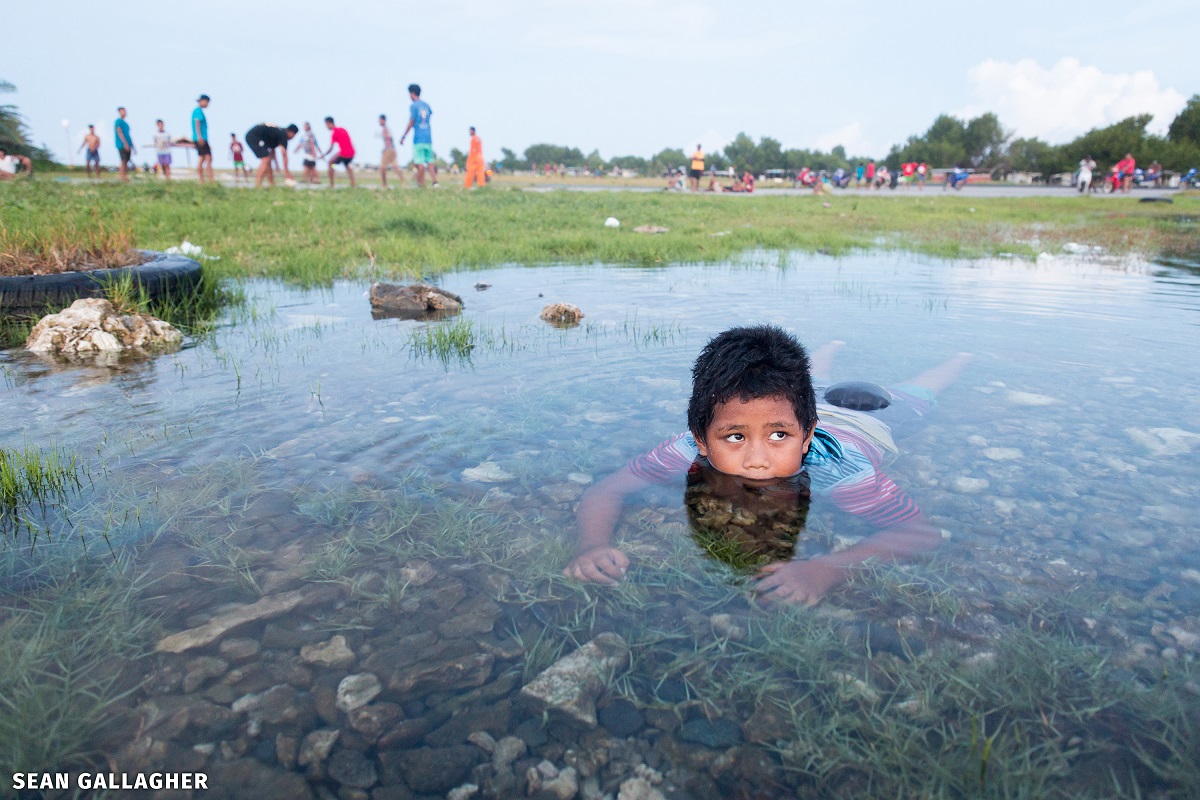
I have stood in the waves in Tuvalu, salt water splashing against my face and camera, documenting communities confronting rising seas and the potential loss of land and ways of life.
I have felt the heat from forest fires in Cambodia, black smoke churning around me as I pointed my shutter towards disappearing trees.
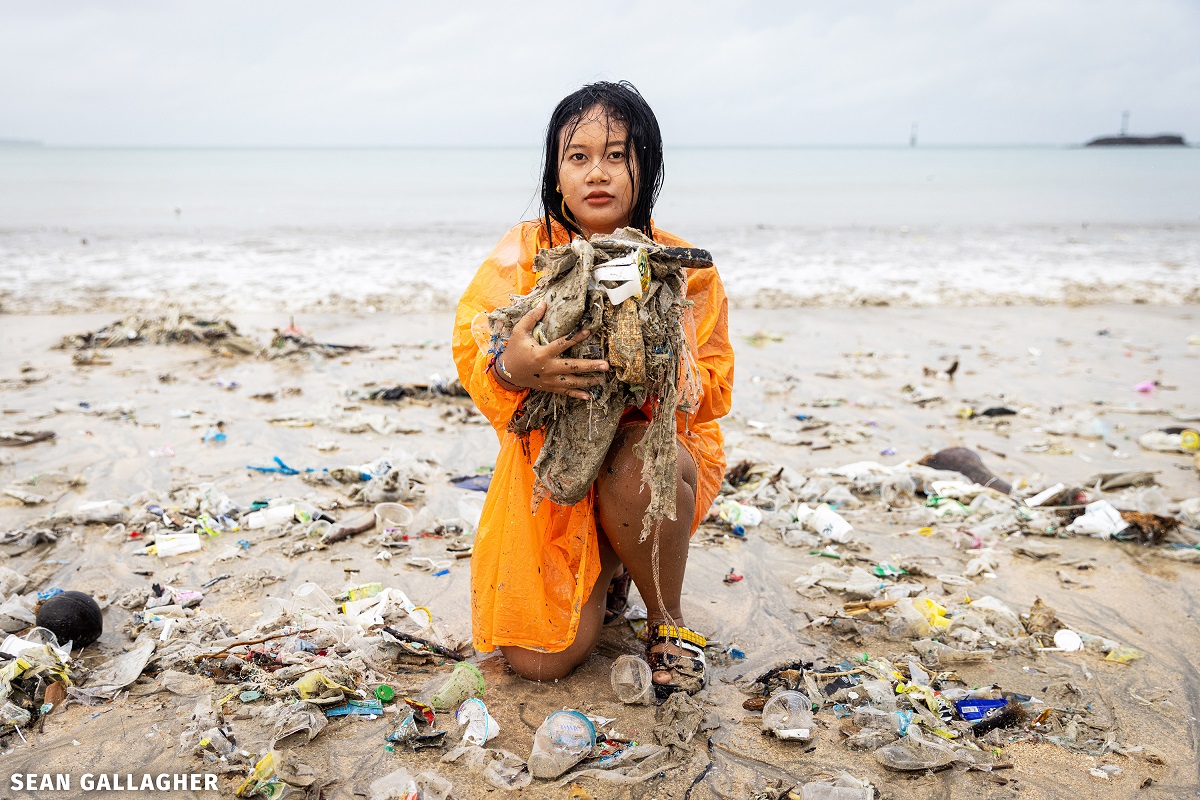
I have documented changing cultures and ways of life on the Tibetan Plateau, sat in the homes of farmers in India whose lives have been ravaged by drought, and knelt on beaches in Bali alongside people collecting plastic waste.
Everywhere I go, the details are different.
But the human experience connects us.
Dry numbers don’t elicit a response like stories do. When we see individuals, families and communities facing challenges, they may seem distant or abstract, but we can begin to see something of ourselves in their experiences. That recognition can create empathy. And empathy can become a reason to act.
This matters because the climate conversation has changed dramatically. Twenty years ago, global warming was largely something confined to textbooks. Today, climate change is front-page news in mainstream media. We know far more about its causes and consequences, but awareness alone is not enough.
We need action, and that means narrating not only tragedy and loss, but also solutions.
In Bali, I have witnessed community-led beach clean-ups to collect plastic waste and fight the waves of pollution washing onto their shores.
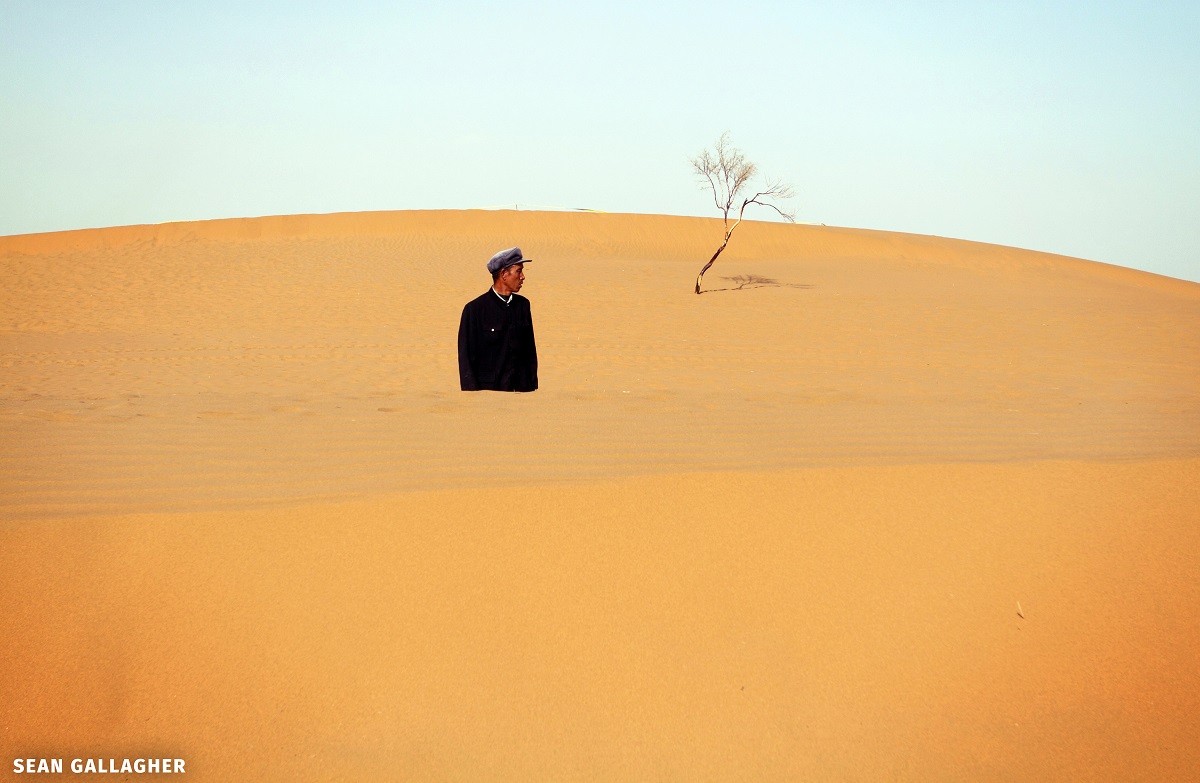
In northern China, I witnessed large-scale tree-planting efforts to combat desertification. I have also met scientists dedicating their lives to comprehending our changing world and finding ways to address its impacts.
These stories matter because hope is not about pretending the problem is smaller than it is. It is about showing that people have agency. We have created the problems, but we are also capable of finding solutions.
From awareness to action
Photography has an important role in that process. Images can cross borders, languages and cultures. They have the power to communicate, connect and inspire a government official, business leader, artist or NGO worker.
I want my photographs to serve as a record of what is happening to our planet, but I also hope they can inspire action.
The same principle applies to the cities and communities where most of humanity now live. We want better places to live and greater economic opportunities, but we cannot pursue these goals at the expense of the natural systems on which our lives depend.
Building sustainable, climate-resilient cities requires people from different sectors to share knowledge and turn ideas into action. That is why gatherings such as International Sustainability Week 2026 matter. They bring policy-makers, businesses, researchers and communities together to discuss climate resilience, urban transformation and practical solutions.
No single person, organisation or government can solve the climate crisis alone. Real progress requires collaboration across the whole gamut of society.
I am just one photographer. I have dedicated my career to using my camera to show people what is happening. Others have different skills and responsibilities. The question for all of us is how we can use those capabilities to become part of the solution.
So, perhaps the answer to my titular question is simple. We cannot photograph 1.5°C itself, but we can picturise the child living with rising seas, the farmer facing drought, the community restoring its environment and the people working to protect the future.
Photography does not make the climate crisis smaller. It makes it human-sized. And when a global crisis becomes human, it becomes much harder to ignore — and much more possible to act on.
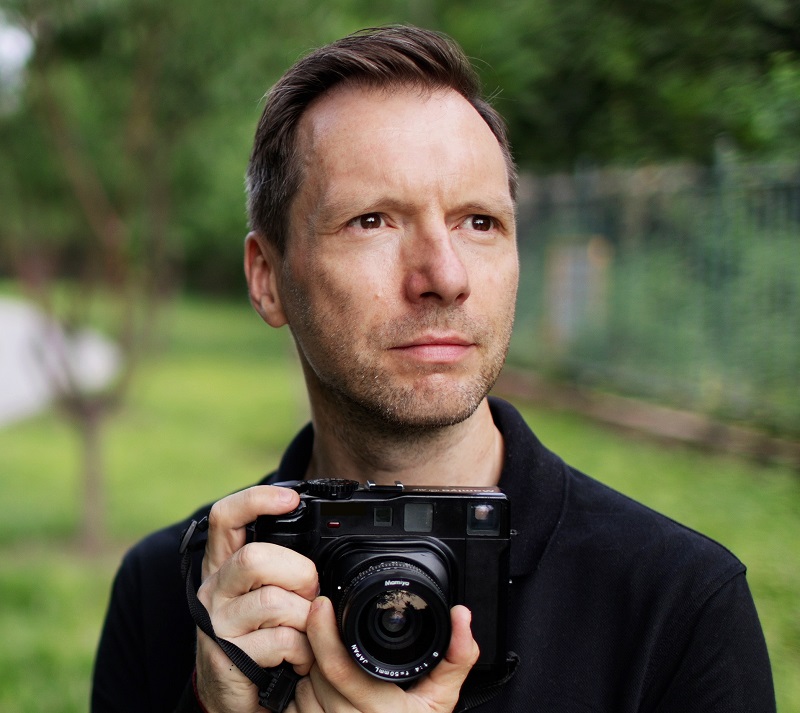
Note: Sean Gallagher is an award-winning environmental photojournalist and filmmaker, and a speaker at International Sustainability Week (ISW) 2026 which took place on Sept 10 and 11 at Malaysia International Trade and Exhibition Centre (Mitec) Kuala Lumpur. It was co-organised by GreenRE Sdn Bhd and Qube Integrated Malaysia Sdn Bhd, with EdgeProp as media partner.
..........
EdgeProp monthly brings you data, insights and solutions for an evolving market. Subscribe now for your free copy!