Share
Share


This article appeared in the Sept 10, 2026 issue of the monthly print edition. Subscribe now.
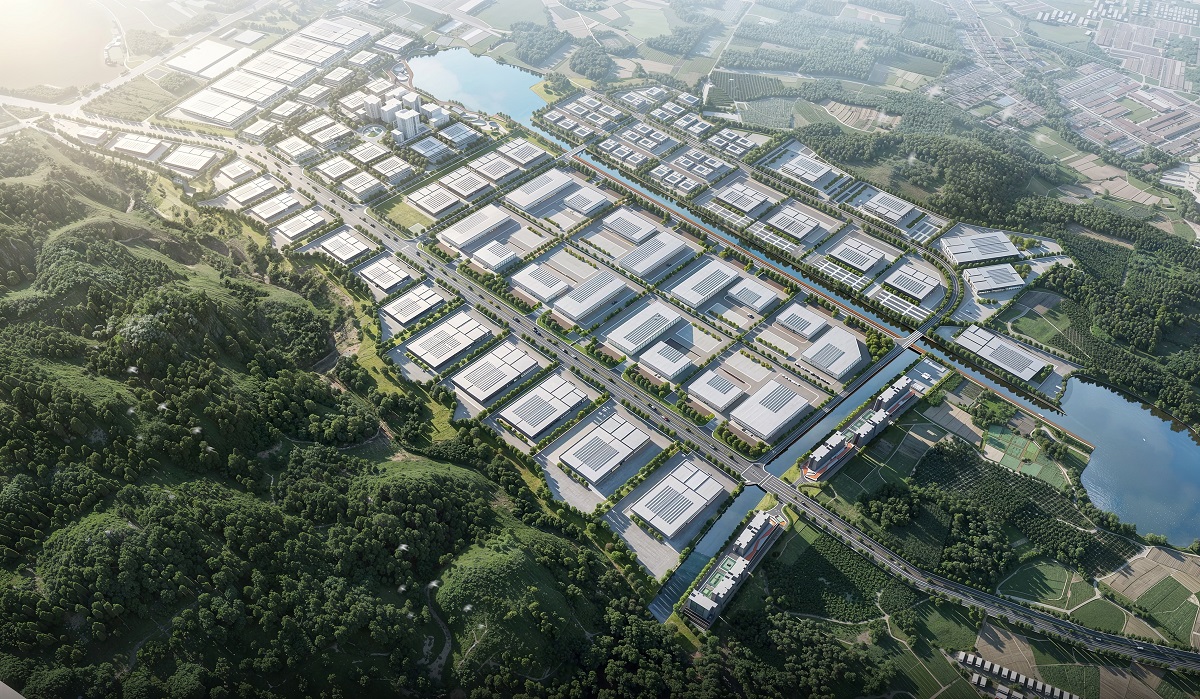
Spanning over 2,700 acres on the periphery of Ipoh, the Silver Valley Technology Park (SVTP) represents more than an alternative high-tech industrial focal point in northern Malaysia. It is Perak’s emphatic statement that it intends to be a serious contributor to the nation’s industrial future.
Located just 30 minutes north of the state capital along the Kanthan–Chemor corridor, SVTP is a large-scale, master-planned industrial and innovation hub designed to elevate Perak’s standing as a competitive force in Malaysia’s high-value industrial and technology landscape.
Jointly developed by Perak State Development Corporation (PKNPk), Perak Corporation Bhd (PCB) and Advancecon Holdings Bhd, SVTP offers a robust, scalable, and strategically-located industrial platform, with strong sector focus and investor support. With a combination of flexible land options, advanced utilities, comprehensive incentives, and reliable governance, it aims to appeal to global and local tech investors seeking growth in Malaysia and the wider Asean region.
Launched in January 2024, SVTP has moved into active construction following the announcement of an unconditional joint development agreement in May this year. The first phase — spanning 816 acres across 39 land parcels to be subdivided into plots — is slated for completion by 2030.
Upon full build‐out of the 2,700‐acre master plan by 2034, SVTP aims to attract RM14 billion in private investments and generate approximately 13,000 jobs in high‐value sectors including advanced manufacturing, mineral processing, electronics and pharmaceuticals.
Progress towards this vision is already evident: digital infrastructure developer NexQuantum 1 Sdn Bhd has committed RM8 billion to jointly develop a 140‐acre AI Digital Park with Suzhou Huahan Technology of China, strengthening SVTP’s position as a regional hub for cutting-edge technology and innovation.
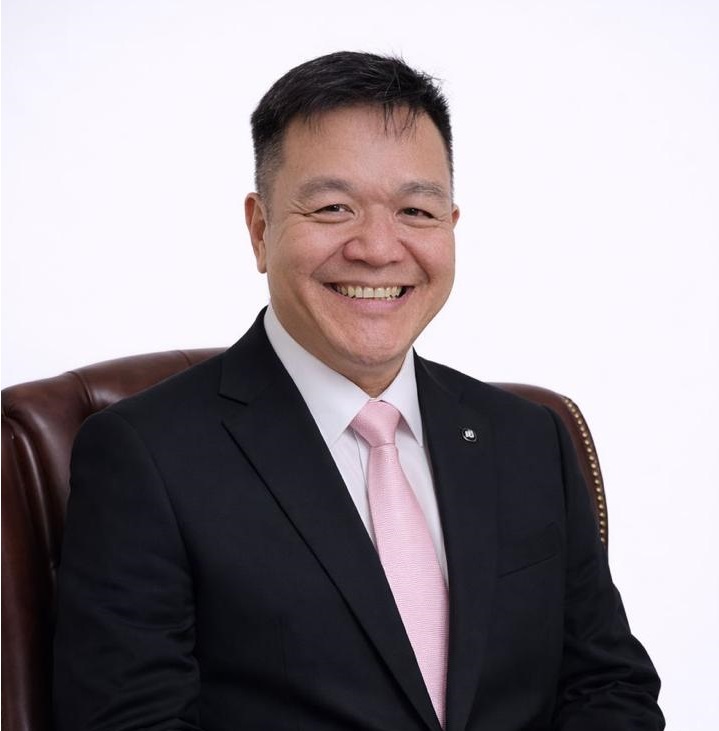
In an exclusive interview with key players driving the SVTP vision, PCB chairman and PKNPk CEO Datuk Redza Rafiq Abdul Razak explains that the development is a strategic component of the Perak Sejahtera 2030 plan, supporting the state government’s aspiration to position Perak as a competitive destination for high-value investments and future industries.
“Rather than competing with our existing industrial parks, SVTP complements them by filling an important gap in Perak’s industrial ecosystem,” says Redza.
“While Automotive Hi-Tech Valley, Lumut Maritime Industrial City and Perak Halal Industrial Park each serve distinct sectors, SVTP is envisioned as a future-ready industrial and technology hub that caters to advanced manufacturing, digital industries, electrical and electronics, artificial intelligence (AI), data infrastructure and other knowledge-intensive sectors,” he tells EdgeProp.

Designed for long-term competitiveness
Sustained competitiveness, relevance and long-term value lie at the core of concept and design considerations that shape SVTP, says Advancecon Holdings managing director Phum Boon Eng.
“Ten years ago, developing an industrial park was largely about preparing the land, building roads and drainage, and providing basic utilities. These remain essential, but today’s manufacturers expect much more,” Phum tells EdgeProp.
She explains that advanced manufacturing, semiconductor-related facilities, data centres and technology-driven industries require reliable power, strong digital connectivity, effective water management, environmental controls, safety systems and room for future expansion. All these requirements must be considered from the master-planning stage, rather than added later.
“From an engineering perspective, infrastructure can no longer be delivered as a standard package. It must be planned around the needs of the industries we want to attract,” she says.
As such, SVTP offers a large-scale master-planned industrial platform to appeal to both big-player anchor investors and hightech firms with phased expansion strategies.
Comprising both customisable land parcels and ready-built facilities, it allows investors the flexibility to purpose-build for specialised factory needs, opt for a ready-built facility for quick market entry, or start small and scale up as their business grows — minimising upfront capital risk.
It is also worthwhile to note that Perak currently represents lower land acquisition costs compared to other major industrial hubs in the country.
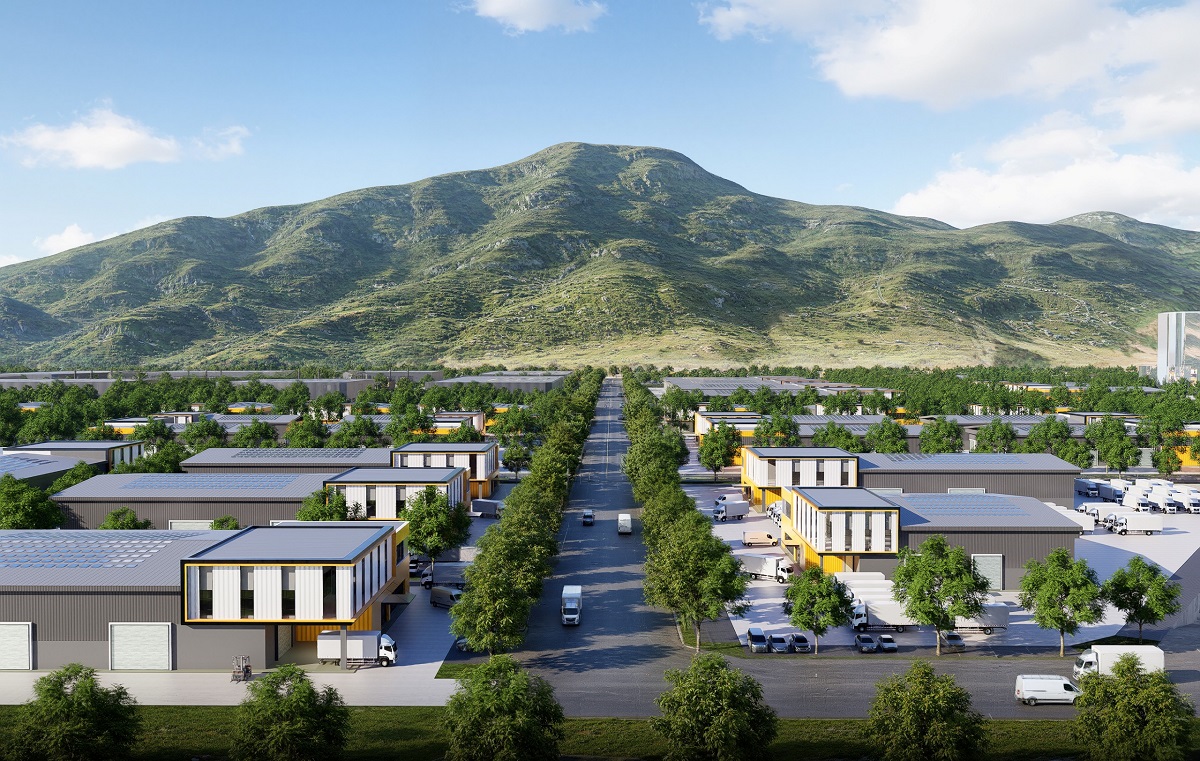
To support high-value and technology-driven industries, SVTP provides IoT-ready infrastructure, 4G/5G capability, and utilities designed for automation and advanced manufacturing.
Plots are also thoughtfully aligned with utility corridors and future expansion zones to facilitate growth requirements.
“At Advancecon, we bring together our experience in earthworks, civil engineering and large-scale infrastructure delivery to ensure that the physical foundation of SVTP can support higher-specification developments for many years to come,” Phum says.
Because SVTP is targeting higher-value and technology-enabled industries, Phum explains that the infrastructure must be designed for reliability, flexibility and scalability.
“Advanced manufacturing and technology-related facilities generally require stronger utility planning, dependable power and digital connectivity, effective drainage, efficient traffic movement, and higher standards of operational continuity, safety and environmental management,” she says.
This means delivering the core civil and infrastructure works in a way that provides a reliable platform for investors today, while remaining adaptable to changing technologies and industrial requirements in the future.
Phum explains that earthworks, roads, drainage, power, water, telecommunications and future expansion corridors cannot be planned separately. They must be designed as one integrated system. Poor early coordination can lead to flooding risks, construction delays, redesign costs and operational constraints later.
“These systems may not be visible after completion, but they are essential to providing investors with reliability, certainty and room to expand. What happens below the ground — and how it performs during difficult weather — often determines how well everything above the ground operates,” she states.
Strategic positioning
Perak offers a distinctive blend of qualities that make it attractive to companies and a migrating skilled workforce. Its lush green surroundings and tranquil lifestyle provide a competitive edge for professionals seeking better living standards. It is also an environmentally-stable region, with low risk of natural disasters, which translates to reliable long-term operations for business investors.
Adding to this, SVTP’s location 25km north of Ipoh city is strategically positioned to provide direct access to the North-South Expressway, while universities, polytechnics and technical institutions in the surrounding vicinity ensure a sustainable pipeline of skilled and professional talent.
Expedient highway access means direct links to major ports (Lumut 98km away), airports (Ipoh Airport 25km away), and railways, enabling efficient movement of goods across Malaysia and the Asean region.
Creating a ‘pull factor’ for the state
Beyond this, SVTP gains from Perak’s ambition to draw high-tech and advanced manufacturing firms into its fold. This includes a comprehensive incentive framework, which includes tax exemptions, investment tax allowances, special tax rates, import duty and sales tax exemptions, and reinvestment incentives (subject to eligibility and approval).
Additionally, a one-stop platform offers investor support, including advisory, project implementation, approvals, licensing and aftercare — streamlining the investment process.
In terms of ready infrastructure to support the increasingly power-intensive requirements of advanced manufacturing operations today, PKNPk’s Redza points out that Perak is home to one of Malaysia’s largest energy plants, the Manjung Power Station, a 4.1 GW facility that contributes nearly 18% of the country’s electricity generation. Among the largest power plants in Southeast Asia, it serves as a critical part of Malaysia’s energy infrastructure.
“Reliable infrastructure is fundamental to attracting high-value industries, particularly advanced manufacturing, semiconductors, digital infrastructure and AI-related investments,” says Redza.
“The state government, together with relevant utility providers and strategic partners, is taking a proactive approach to infrastructure planning. Rather than reacting to investment commitments, we are planning ahead to ensure that power, water, connectivity and transportation infrastructure can support future industrial growth,” he adds.
For SVTP, he says infrastructure readiness is being treated as a strategic priority from the outset. This collaborative approach provides investors with greater confidence that Perak is prepared to support their long-term operational requirements.
Redza believes Perak offers several advantages, including strategic connectivity, abundant industrial land, competitive operating costs, a growing pool of skilled talent and strong support from the state government. More importantly, it is able to plan industrial development in a more integrated and sustainable manner.
“Our ambition is not to replicate Penang or Kulim (Kedah). Every state has its own strengths. Perak’s strength lies in providing investors with the scale, infrastructure, facilitation and longterm growth potential required for the next generation of industries,” he explains.
Attracting big players
Among those who have been quick to tap into the potential of SVTP is NexQuantum 1, which will develop eight data centres (dubbed NQ1–NQ8) over 148 acres. The flagship facility, NQ1, will be the first phase comprising a 32MW Tier III data centre, designed for AI workloads and cloud services.
Construction of the facility begins this year, with completion expected in approximately 14 months.
“For technology and digital infrastructure, companies now assess the complete operating environment — resilience, connectivity, regulatory coordination, talent, sustainability, quality of life and the ability to operate confidently over the long term,” says NexQuantum 1 group CEO Ong Teng Boon about choosing SVTP.
“After considering these factors together, NexQuantum concluded that Ipoh offered the best holistic proposition for our investment. Its strategic position in Malaysia, established urban environment, talent potential and attractive living conditions make it well suited as our technology hub serving the Asean region,” he says.
For NexQuantum, Ong explains that the strategic decision began with choosing Ipoh, then identifying SVTP, located close to the city, as the appropriate location from which to pursue its vision. This allows its investment to benefit from the city’s infrastructure, services, talent base and quality of life, while remaining connected to the surrounding community.
“SVTP’s greatest opportunity to differentiate itself is therefore not simply as another industrial park, but as a technology destination that forms part of a liveable and environmentally-attractive city. The combination of coordinated investor facilitation, responsible development and Ipoh’s green living environment can create a compelling proposition for high-value investment.
“We also appreciate the state government’s Perak Sejahtera 2030 vision, which is helping to foster a supportive and investor-friendly environment for responsible technology investment,” says Ong.

A key attraction about the set-up, he says, is that SVTP supports the agreed site-level-enabling setting, while NexQuantum determines its own project standards, and technical and commercial approach. Detailed project information will be shared only with authorised stakeholders under appropriate confidentiality arrangements.
“NexQuantum’s technology, customers, partnerships, investment decisions and commercial strategy remain independently controlled and confidential,” Ong explains.
Propelling local business, talent growth
In addition to boosting industrial growth in the state, SVTP will serve to elevate an existing industrial ecosystem, targeting sectors such as food manufacturing, technology and digital industries, metal and engineering, and mineral processing.
For Redza, a key component of Perak’s industrial growth aspirations is the concurrent growth of local industries, businesses opportunities and talent pool within the state.
“Today, industrial competitiveness is determined by the strength of the ecosystem rather than land alone. At Silver Valley, we are deliberately building an ecosystem that integrates infrastructure, utilities, digital connectivity, talent development, research collaboration, supply chain participation and investment facilitation,” he says.
“Equally important is ensuring that local businesses benefit from these investments. We want local SMEs, contractors, service providers and technology companies to become part of the value chain alongside multinational corporations.”
PKNPk is also working closely with universities, TVET (technical and vocational education and training) institutions, industry partners and relevant government agencies to ensure that talent development evolves alongside industry demand.
Ong agrees that Ipoh must offer graduates opportunities to enter the technology sector, acquire specialised skills, progress into professional and leadership roles, and build meaningful careers without having to relocate elsewhere.
“NexQuantum aims to tap local talent and encourage more local graduates to make Ipoh their ideal place to work and live. Our presence can support opportunities across engineering, digital operations, cybersecurity, infrastructure management, sustainability and related professional services. We also intend to work with selected educational and industry partners on practical skills and career development when those arrangements are ready,” he says.
Success is measured in impact
While investment value is important, Redza says it is not the only measure of success for PKNPk. It is also measured by SVTP’s capacity to attract quality investments that create sustainable economic value for Perak.
“Over the next three to five years, we hope to see three key outcomes. First, the successful delivery of world-class infrastructure and investment-ready facilities. Second, the attraction of reputable anchor investors in targeted high-growth sectors. Third, and perhaps most importantly, we want to see meaningful spill-over benefits to the state economy through quality employment, SME participation, talent development and technology transfer,” he says.
Redza adds that high-value investments should translate into quality employment, stronger local businesses, greater collaboration with the country’s educational institutions, and more opportunities for innovation and entrepreneurship.
Similarly, confidence in SVTP, the efficient construction of infrastructure and facilities, successful delivery, and the smooth commencement of operations are only the beginnings of achieving Advancecon’s goals, says Phum.
“Success is not just defined by the way we complete the infrastructure. It is defined by how well the park performs and creates value after we hand it over” she states.
“It must also be measured by the wider economic impact. SVTP should attract the right industries, create quality employment opportunities, strengthen local supply chains and contribute to Perak’s long-term industrial growth,” she concludes.
PERAK’S GROWING INDUSTRIAL ECOSYSTEM
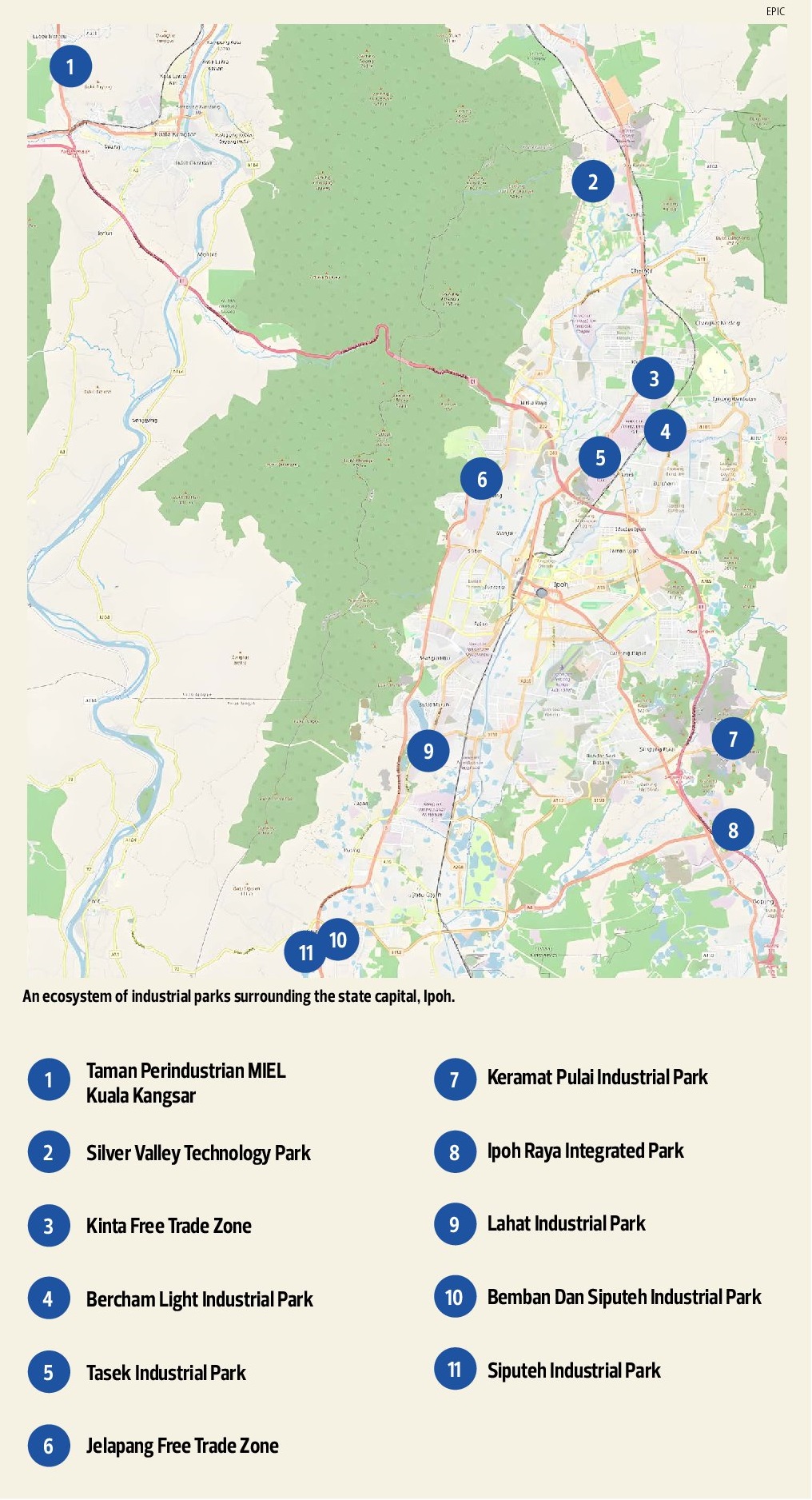
Historically synonymous with tin mining, modern Perak is rapidly reinventing itself as a vital industrial state in Malaysia. The northern state is positioning itself as a important node in the country’s supply chain ecosystem, complementing the established hubs of Penang and Selangor. From semiconductors to electric vehicles and rare earth elements, its industrial ambitions are beginning to reshape its economic identity.
The E&E sector has been a catalyst for this transformation. Between 2021 and 2025, the state secured RM25.9 billion in approved manufacturing investments, with nearly 90% already realised. Since 1980, E&E investments worth RM13.1 billion have taken root in Perak, underscoring its growing role in Malaysia’s high-tech economy.
Automotive and EV supply chains are also driving momentum. The expansion of Proton City and the entry of Chinese EV giant BYD into Tanjung Malim have elevated Perak’s profile as a key automotive hub.
The state also broke new ground in 2022 by becoming the first in the country to mine lanthanide rare earth elements using in-situ leaching in Hulu Perak — placing it at the forefront of critical mineral supply for semiconductors, renewable energy, and defense industries.
With several mega-projects reinforcing its industrial push, including SVTP, the Lumut Maritime Industrial City and The Automotive High Technology Valley, the Perak Industrial Plan (P3) sets an ambitious target of RM47 billion in investments by 2030, aiming for industry to contribute a quarter of the state’s GDP.
Diversifying beyond heavy industry, a strong push into halal-certified food processing and downstream palm oil industries also highlights its bid to capture growth in agriculture-based manufacturing.
Combining high-tech manufacturing, automotive expansion, rare earth mining, and halal industry growth, Perak is looking to break out of its ‘heritage state’ typecast to become a key economic player in Malaysia’s northern corridor and strengthen nation’s position in the global supply chain.
..........
EdgeProp monthly brings you data, insights and solutions for an evolving market. Subscribe now for your free copy!